If you are getting ready to sell in Northborough, it is easy to assume you need a big renovation budget to compete. In reality, that is usually not the smartest move. If you focus on the right updates in the right order, you can make your home more appealing without spending money where buyers may not pay you back. Let’s dive in.
Why smart prep matters in Northborough
Northborough’s single-family market has stayed relatively tight, with a median sales price of $835,000, about 1.5 months of inventory, 62 cumulative days on market, and sellers receiving 99.2% of original list price in the Massachusetts Association of REALTORS® March 2026 update. Those numbers suggest buyers are active, but they also show homes are not always selling instantly.
That matters if you are deciding how much to spend before listing. In a market where homes can sell close to asking price but still spend time on the market, visible condition and presentation can make a real difference.
There is another reason to be selective. The same market report notes that one month of activity in a small town can look extreme because of sample size, so the numbers are best used as direction, not a guarantee. That is why a practical, value-focused prep plan is usually the safest path.
Start with what buyers notice first
Before you think about replacing cabinets or remodeling a bathroom, tackle the basics buyers see right away. National staging data shows sellers’ agents most often recommend decluttering, whole-home cleaning, and improving curb appeal.
That lines up with what many Northborough sellers need most. A clean, cared-for home often creates a stronger impression than an expensive upgrade surrounded by clutter, scuffed walls, or deferred maintenance.
A smart first-round checklist includes:
- Declutter every room
- Remove excess furniture
- Deep clean floors, kitchens, and baths
- Wash windows and light fixtures
- Touch up paint where walls look worn
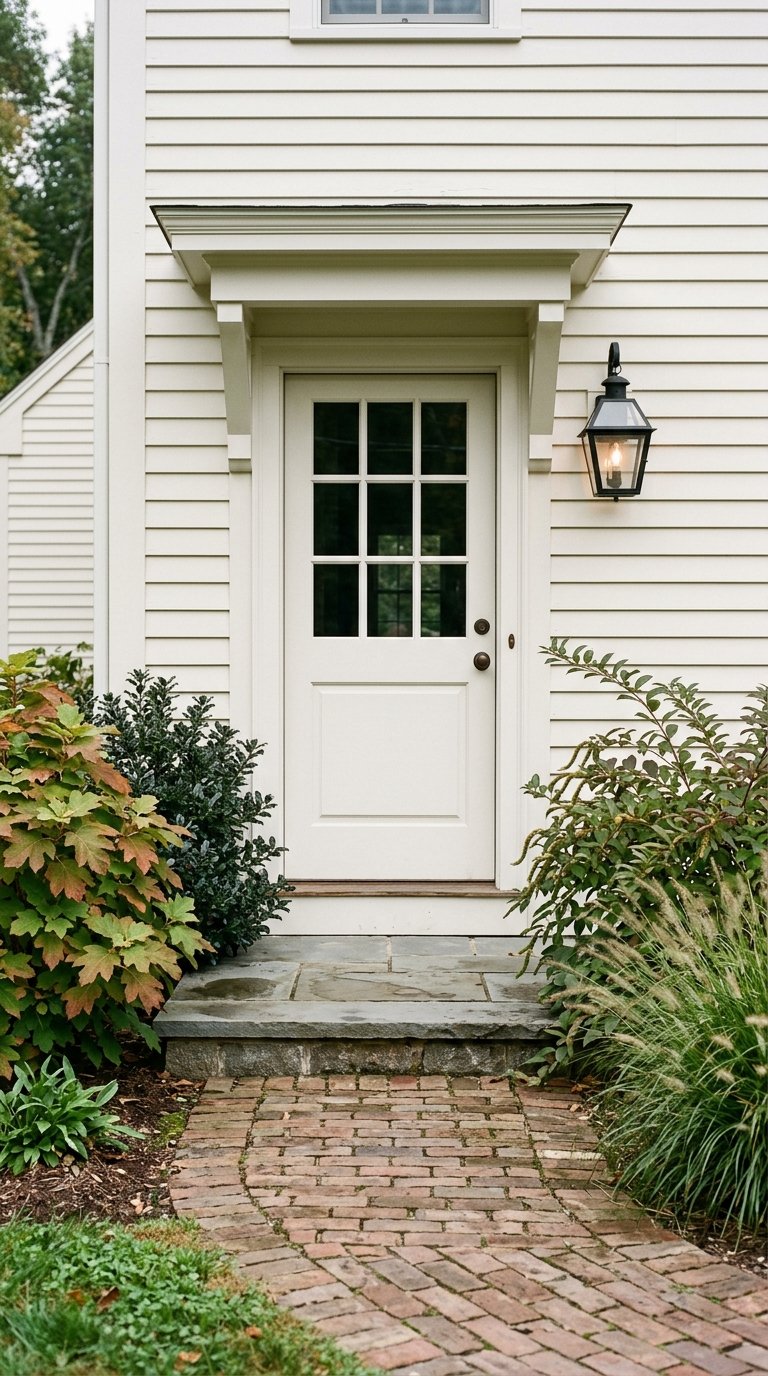
- Freshen the front entry
- Mow, edge, and tidy landscaping
These projects are usually lower cost, and they help buyers focus on the home itself instead of the work they think they will need to do.
Focus your effort on key rooms
If your budget is limited, not every room deserves the same attention. According to the 2025 home staging data, buyers’ agents said the living room is the most important room to stage, followed by the primary bedroom and the kitchen.
That gives you a clear priority list. If you only have time or money for a few touch-ups, put them where they will have the biggest visual impact.
Living room
Your living room should feel open, bright, and easy to picture living in. Edit down furniture, clear surfaces, and make sure the room has a simple traffic flow.
If the walls are marked up or the paint color is very personal, a fresh neutral coat can go a long way. Good lighting and a clean, organized layout can make the space feel larger without any renovation.
Primary bedroom
The primary bedroom should feel calm and spacious. Remove extra furniture, clear off dressers and nightstands, and keep bedding simple and fresh.
This is also a good place to fix small cosmetic issues like scuffed trim, chipped paint, or an outdated light fixture. Small improvements here can help the room feel more move-in ready.
Kitchen
A full kitchen remodel is rarely the first answer when you are preparing to sell. In many cases, deep cleaning, clearing counters, repainting walls, and replacing a few tired details will do more for less.
Buyers tend to notice cleanliness, function, and overall condition first. If your kitchen cabinets, appliances, or layout are usable, it often makes more sense to present the space well rather than gut it.
Fix visible defects before funding big projects
One of the strongest data points for sellers is this: 46% of home buyers are less willing to compromise on home condition. That means visible problems can hurt you more than the lack of a dream renovation.
Before spending on vanity updates, look for issues that signal neglect or future cost. Buyers often react strongly to problems they can see right away, even if the fix is fairly simple.
Prioritize repairs like:
- Leaky faucets or running toilets
- Loose handrails or doorknobs
- Cracked outlet covers or missing trim
- Stained ceilings or walls
- Damaged flooring
- Broken windows or screens
- Worn caulking in baths or kitchens
- Peeling exterior paint
These repairs help buyers feel the home has been maintained. That confidence can matter just as much as the finishes themselves.
Know when spending more is worth it
Some pre-sale projects have a much stronger resale track record than others. In the 2025 New England Cost vs. Value report, garage door replacement showed a recouped value of 349.3% of cost, steel entry door replacement 182.9%, fiber-cement siding 144.9%, and a midrange minor kitchen remodel 134.3%.
Compare that with larger projects. A midrange major kitchen remodel recouped 50.4%, an upscale kitchen remodel 37%, a midrange bath remodel 69.9%, and an upscale bath remodel 45%.
The takeaway is pretty simple. If you are selling soon, spend on projects that improve first impressions or solve obvious wear. Be cautious about major remodels unless your home truly needs them to function well or compete in the market.
Best upgrades for a careful budget
If you are trying to choose between several projects, here is a practical way to think about them:
| Project type | Best use before selling | Why it can make sense |
|---|---|---|
| Decluttering and deep cleaning | Almost always | Low cost, high visibility |
| Paint touch-ups or repainting | Very often | Freshens rooms quickly |
| Garage door or entry door replacement | When visibly worn | Strong curb appeal and strong recoup value |
| Minor kitchen improvements | When the kitchen looks dated but functional | Better return than a major remodel |
| Roof replacement | When condition is a concern | More about solving a buyer objection than adding style |
| Major kitchen or bath remodel | Rarely, unless necessary | Lower recoup when selling soon |
This kind of decision-making is especially useful if you want to avoid over-improving for your timeline.
Check Massachusetts sale requirements early
A smart pre-listing plan is not only about appearance. In Massachusetts, a few compliance items can affect your sale timeline, so it helps to review them early.
Massachusetts does not require a broad homeowner disclosure form for ordinary residential sellers. However, for homes built before 1978, sellers and agents must comply with Property Transfer Lead Paint Notification requirements before the purchase and sale agreement is signed.
Massachusetts also requires carbon monoxide alarms on every level of most homes, and the state provides a specific guide for selling a one- or two-family residence. Checking alarm compliance early can help you avoid last-minute stress.
If your property has a septic system, the state advises owners to have it inspected when they buy or sell a home. If a system fails inspection, the owner still has an obligation to repair it.
Massachusetts also requires a written home-inspection disclosure before the first purchase contract. Sellers and agents cannot require or encourage buyers to waive the inspection right as a condition of acceptance.
Review permits before doing larger work
If you are thinking beyond cosmetic prep, pause before hiring contractors. Northborough’s Building Department enforces the state building code and offers online permits for building, electrical, gas, plumbing, and mechanical work.
That means it is worth checking permit requirements before starting anything more substantial than paint, cleaning, or basic cosmetic updates. A project that seems simple can create delays later if permit questions come up during the sale.
A simple prep plan that keeps costs under control
If you want a practical order of operations, use this framework:
Step 1: Declutter and depersonalize
Pack away items you do not use daily. Clear surfaces, remove extra furniture, and create a cleaner visual path through each room.
Step 2: Deep clean everything
A spotless home photographs better and shows better. Focus on kitchens, bathrooms, floors, baseboards, windows, and lighting.
Step 3: Repair visible issues
Fix the defects buyers will notice during showings. Small repairs can protect your first impression and reduce buyer hesitation.
Step 4: Handle safety and compliance items
Review lead paint notification needs, carbon monoxide alarm requirements, septic inspection issues if applicable, and any other sale-related items that could affect timing.
Step 5: Consider selective upgrades
Only after the basics are done should you consider spending on replacements or updates. Focus on high-visibility items with strong resale support, not large luxury remodels.
The goal is confidence, not perfection
When you are preparing your Northborough home for sale, the best strategy is usually not to make it look brand new. It is to make buyers feel confident in the condition, care, and overall value of the home.
That usually comes from clean presentation, repaired wear, and smart selective improvements. In a market where buyers are paying close to list price but still paying attention to condition, that balanced approach can help you stand out without overspending.
If you want practical guidance on what is worth fixing, what to skip, and how to prepare your home for today’s Northborough market, Annie Oakman can help you build a plan that fits your timeline and budget.
FAQs
What should I fix before selling a home in Northborough?
- Start with visible issues like peeling paint, stains, worn flooring, plumbing drips, broken hardware, and exterior wear. Buyers are often less willing to compromise on condition than sellers expect.
Is staging required to sell a Northborough home?
- No. Many sellers do not fully stage their homes. Decluttering, cleaning, and fixing obvious property faults are often the first and most cost-effective steps.
Which rooms matter most when preparing a Northborough home for sale?
- The living room, primary bedroom, and kitchen are strong priorities when your budget is limited, based on buyer-agent feedback in national staging data.
Should I remodel my kitchen before selling in Northborough?
- Usually, a minor kitchen update makes more sense than a major remodel if the space is functional. Large kitchen remodels tend to recoup far less than smaller, more targeted improvements.
Do Massachusetts sellers need to complete a seller disclosure form?
- Massachusetts does not require a broad homeowner disclosure form for ordinary residential sellers, but lead paint notification rules apply to homes built before 1978.
What compliance items should Northborough sellers check early?
- Review carbon monoxide alarm compliance, lead paint notification requirements for pre-1978 homes, septic inspection needs if the property has a septic system, and permit requirements for larger pre-sale work.