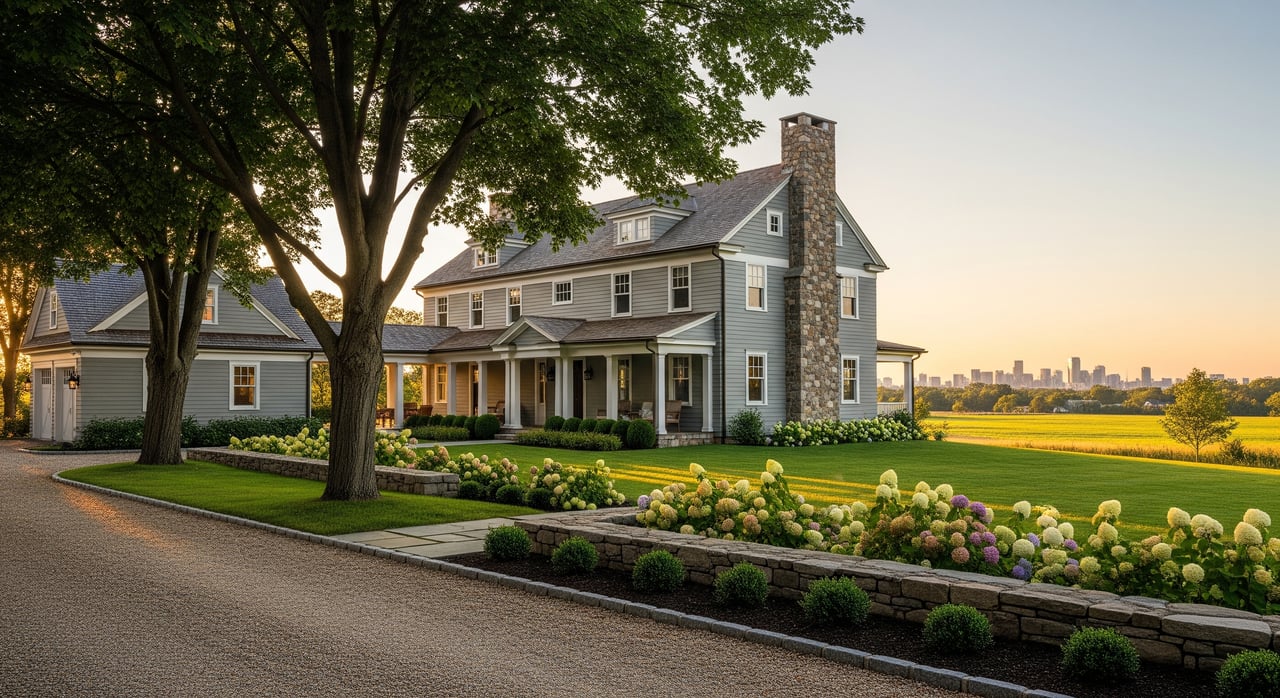
What if your mornings started by the water and your workday ended in the city? In Hopkinton, you can enjoy a quieter suburban rhythm without losing touch with Boston and MetroWest job centers. If you’re exploring a move, you want a clear picture of commute options, neighborhoods, schools, parks, and what daily life really looks like. This guide gives you the highlights and practical tips so you can decide if Hopkinton fits your list. Let’s dive in.
Where Hopkinton fits in MetroWest
Hopkinton sits in southwestern Middlesex County within the MetroWest region, the suburban arc west of Route 128. The town blends a historic Main Street center with newer residential neighborhoods. It is also the official starting line for the Boston Marathon, which transforms downtown each April into a lively “Marathon Village.”
With a population of about 18,7xx residents based on the 2020 U.S. Census, Hopkinton is sized for a small-town feel. You’ll find mostly single-family homes, low-density streets, and a connected civic scene led by an elected Board of Selectmen, Town Manager, and active departments like schools, police, fire, library, and recreation. For town services and updates, start with the Town of Hopkinton’s official website.
Commute and connectivity
Hopkinton is a commuter-friendly suburb with practical options whether you drive or take the train into Boston or other job hubs like Framingham, Newton, or Cambridge.
Driving
Many residents drive to work. You have convenient access to the Mass. Turnpike (I‑90) and the I‑495 corridor via nearby interchanges. Depending on traffic and your final destination, the drive to downtown Boston can range from about 35 minutes to over an hour. Travel times vary by time of day and season, so plan your route and build in a buffer.
Commuter rail options
Hopkinton does not have an MBTA commuter rail station inside town limits. The closest stations are on the Worcester/Framingham Line in neighboring communities such as Ashland, Framingham, and Southborough. Check current timetables on the MBTA Worcester Line schedule and factor in parking or drop-off time at the station.
Local and regional transit
Regional bus and paratransit services operate through the MetroWest Regional Transit Authority. If you want to reduce driving or connect to commuter rail, explore routes and services from the MWRTA.
Hybrid and remote flexibility
Many MetroWest employers now support hybrid schedules, which can make Hopkinton’s location even more appealing. If you commute fewer days each week, the tradeoff of a larger lot and quiet street may feel well worth the extra drive when you do go in.
Your commuter toolkit
- Check real-time and planned road updates with MassDOT.
- Review train timetables and alerts on the MBTA Worcester Line.
- Explore regional bus and shuttle options through the MWRTA.
Housing and neighborhoods
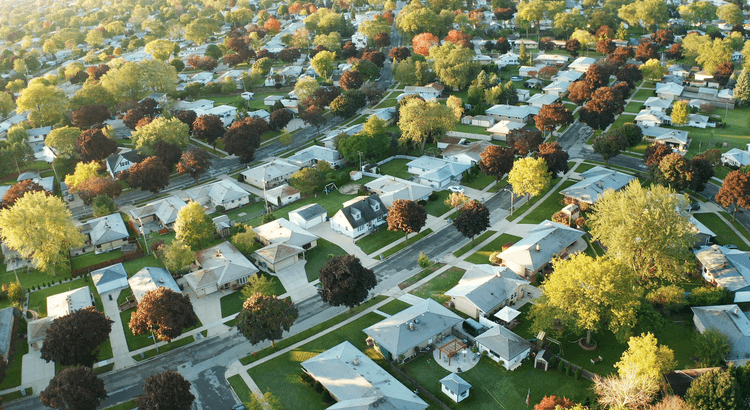
Hopkinton’s neighborhoods offer a clear suburban profile with space to spread out and access to nature.
What you’ll find
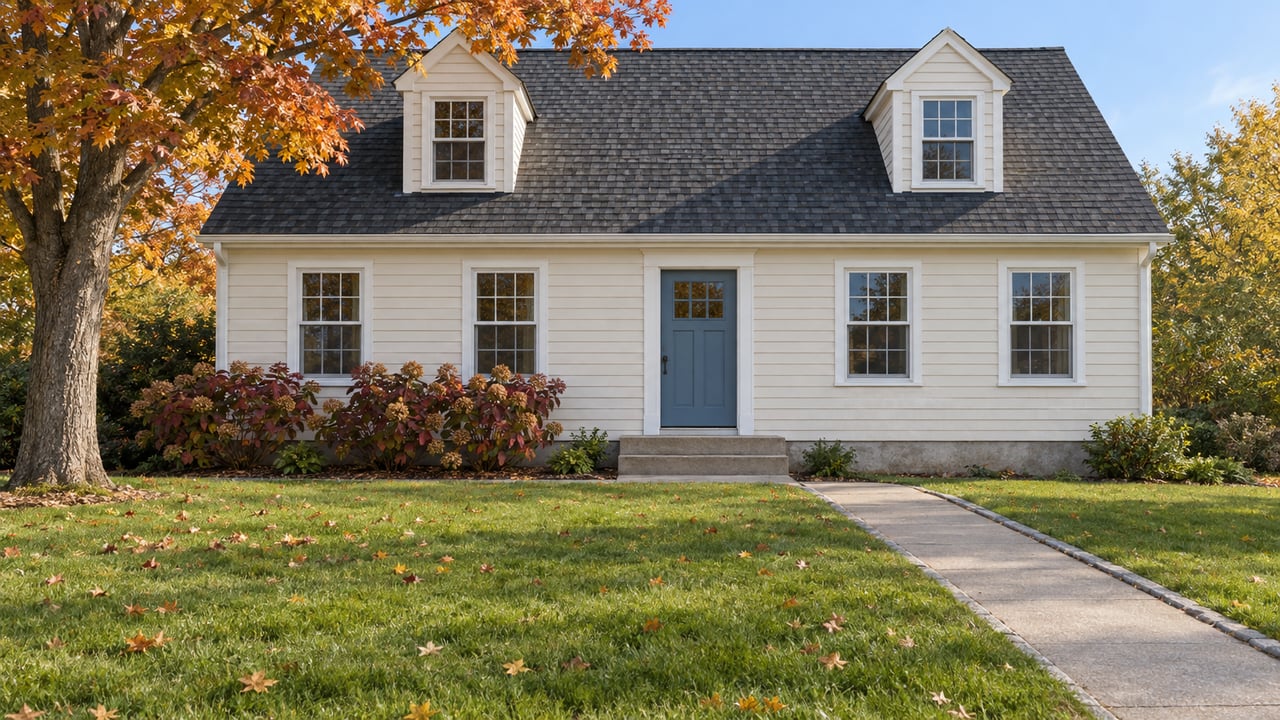
The dominant housing type is single-family detached homes. You’ll see classic New England styles like Colonial and Cape, along with contemporary suburban homes from the 1970s forward and newer custom builds. Condominiums and multi-family options exist, but they are a smaller share of the market.
Lot sizes tend to be larger than inner suburbs, which appeals if you want a backyard, privacy, or room for a future addition. Many streets are quiet with cul-de-sacs and low through traffic.
Neighborhood patterns
- Main Street and nearby side streets offer a more walkable setup with older homes and smaller lots close to shops and civic buildings.
- Subdivision neighborhoods feature mid-sized to large lots, sidewalks in select areas, and consistent architectural styles.
- Outer-edge pockets near conservation land and reservoirs feel more rural and wooded.
Affordability context
MetroWest and Middlesex County often trend above statewide medians, and Hopkinton is generally perceived as upper-middle to high income relative to state averages. Instead of focusing on a fixed price point, look closely at tradeoffs: location near highways or rail, home age, lot size, and renovation potential. Your budget will stretch differently depending on which of these you prioritize.
Renovation and value-add potential
If you’re open to a project, older homes near the center or long-held properties in established neighborhoods can present smart value-add opportunities. Consider:
- Condition of major systems like roof, heating, electrical, and septic.
- Zoning, setback rules, and association restrictions that could affect additions.
- The cost-benefit of updating kitchens and baths versus building new space.
- Resale appeal based on street setting, lot usability, and commute access.
A practical renovation plan can unlock value without over-improving for the area. If you want help scoping budgets and timelines, work with an agent who brings hands-on contractor experience.
Daily life and amenities
Downtown and errands
Downtown Hopkinton centers on Main Street with local restaurants, coffee, and small businesses. You can handle many everyday needs in town, and you’re a short drive to larger retail options in nearby MetroWest hubs like Framingham. Marathon-related events bring added energy each spring.
Schools and learning
Hopkinton Public Schools serve the town and are well known in the region. For current programs, enrollment, and district updates, start with the Hopkinton Public Schools. For statewide context and school accountability resources, visit the Massachusetts DESE. School boundary details can change, so verify attendance zones directly with the district.
Healthcare and services
You’ll find primary and specialty care options in Hopkinton and nearby towns. Larger hospital systems serving MetroWest residents include MetroWest Medical Center, Newton-Wellesley Hospital, and Boston medical centers. The town library, recreation department, and youth sports programs add to a strong civic fabric. For municipal program listings and contacts, visit the Town of Hopkinton website.
Parks, trails, and culture
Hopkinton State Park
One of Hopkinton’s signature assets is Hopkinton State Park, where you can hike, paddle, swim in season, or picnic with a view. Before you go, check hours, parking, and current conditions on the Massachusetts DCR page for Hopkinton State Park.
Trails and open space
Segments of regional trail networks and local conservation lands make it easy to get outside. You’ll find wooded paths for hiking and biking, plus water access at reservoirs and ponds. These amenities are a major draw if you value nature close to home.
Community events
The Boston Marathon start is a point of pride and a town-wide tradition. You can also look forward to seasonal farmers markets, festivals, and outdoor concerts that give Hopkinton its small-town sense of connection.
A day in the life
Picture a typical weekday. You grab coffee downtown, then hop on I‑90 or head to Ashland or Framingham for the commuter rail. After work, you meet friends for an easy walk at the state park or take the kids to a local field. Dinner is simple at a neighborhood spot, and you’re home on a quiet street.
Now imagine the weekend. You paddle at the reservoir, check out a youth sports game, or browse a farmers market. If you need bigger-box shopping, you make a quick run to Framingham. On Marathon weekend, you join neighbors along Main Street as the start line buzz takes over town.
Is Hopkinton a fit for you?
Hopkinton might be the right move if you want:
- A small-town vibe with a defined center and strong civic life.
- Suburban streets, larger lots, and easy access to open space.
- Reasonable reach to Boston and MetroWest job centers by car or train.
- A home you can personalize or expand over time.
- Access to regional amenities without city congestion.
If this list matches your goals, start narrowing neighborhoods and commute routes that fit your routine.
Smart next steps
- Outline your daily commute to compare driving versus rail, including station parking and timing.
- List your must-haves: lot size, number of bedrooms, proximity to highways or downtown.
- Decide what level of renovation you’re comfortable tackling and set a realistic budget.
- Verify school attendance zones directly with the district and review programs that matter to you.
- Preview parks and trailheads in different parts of town to see which area feels right.
Buying in Hopkinton is about tradeoffs you can feel good about. With clear guidance, you can choose the street, home style, and commute that work for your life.
Ready to explore neighborhoods, evaluate renovation potential, and compare commute options? Reach out to Annie Oakman for local, hands-on advice and a step-by-step plan from first tour to closing. Let’s connect.
FAQs
How long is the commute from Hopkinton to downtown Boston by car?
- Depending on traffic, it often ranges from about 35 minutes to over an hour, so check current conditions before you leave and build in a buffer.
Does Hopkinton have its own MBTA commuter rail station?
- No, the closest Worcester/Framingham Line stations are in Ashland, Framingham, and Southborough; review the MBTA Worcester Line schedule for current times.
What types of homes are most common in Hopkinton?
- Single-family homes are the dominant type, with styles that include Colonial, Cape, and contemporary suburban, plus limited condo and multi-family options.
How can I research Hopkinton schools and programs?
- Start with the Hopkinton Public Schools for district details and use the Massachusetts DESE for statewide context and accountability resources.
Where can I find outdoor recreation in Hopkinton?
- Hopkinton State Park is a major draw for hiking, paddling, and seasonal swimming; check conditions and hours on the DCR Hopkinton State Park page.
Is Hopkinton walkable or do I need a car?
- The town center offers some walkability, but many neighborhoods are car oriented, so most residents drive for commuting and larger shopping trips.