Buying your first home in Westborough can feel exciting and a little overwhelming. You want a smart budget, a clear plan, and local insight so you can act with confidence. In this practical guide, you’ll get step-by-step help on budgeting, townhome vs single-family tradeoffs, offers and contingencies under Massachusetts rules, a realistic timeline, commute notes, and the inspections that matter most here. Let’s dive in.
Westborough market snapshot
You’ll see median prices for Westborough vary by source and week, but most public snapshots land in the mid six figures. Recent reports show a range from the high $500Ks to the low $700Ks, with many readings in the low-to-mid $600Ks. Because numbers change often, check current data right before you write an offer.
Westborough has roughly 8,500 housing units, with about 49% single-family detached and around 38% multifamily. That mix gives first-time buyers real options, from townhomes and condos to traditional single-family homes across several price points. You can review the town’s housing profile and recent planning work in the Westborough Housing Production Plan for 2024–2029 for context on inventory and development trends. Explore the Housing Production Plan.
Build a realistic first-home budget
Map your monthly housing cost
Start with a simple monthly framework so you can compare homes apples to apples:
- Principal and interest: ask your lender for a pre-approval and a rate quote.
- Property taxes: estimate using the town’s rate and the property’s assessed value.
- Homeowners insurance: varies by age, size, and features.
- HOA/condo fees: if you’re considering townhomes/condos, confirm dues and what they cover.
- Maintenance and utilities: single-family homes usually carry higher upkeep.
For property taxes, use this formula: Assessed value × tax rate ÷ 1,000 = annual bill. Westborough’s residential tax rate has recently been in the mid $15–$16 per $1,000 of assessed value. Always confirm the current rate with the Assessor’s page before you finalize a budget. Check the Westborough tax rate.
To test affordability, add your lender’s principal and interest estimate to monthly taxes, insurance, and any HOA dues. Compare that total to your comfort level and your lender’s ratios. This quick check helps you focus your search on homes that fit.
Plan for upfront costs
Beyond the down payment, set aside funds for:
- Earnest money deposit listed in your offer
- Inspections and specialized tests
- Appraisal and lender fees
- Title search and settlement services
- Recording and transfer costs
Your lender and attorney can provide a detailed estimate once you target a home.
Townhome vs single-family in Westborough
What you will find
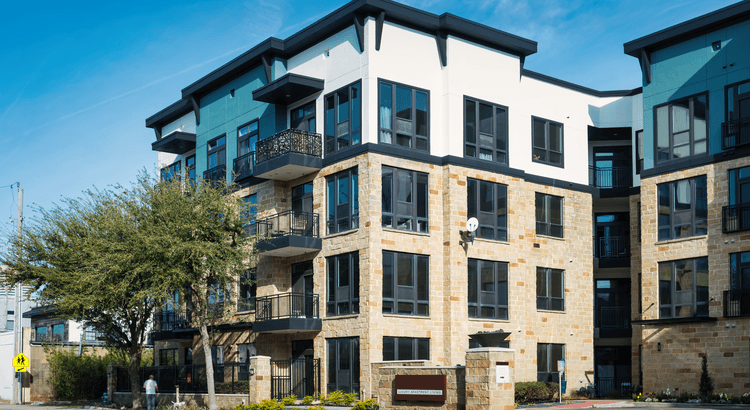
Westborough’s inventory includes a meaningful share of multifamily product alongside single-family homes. Several townhome and condo communities came online in the 1990s–2000s, and newer multifamily was permitted in recent years, especially near transit and Route 9. That means you can choose between HOA-managed living or a standalone home with its own yard. See the town’s housing mix and trends.
Cost and maintenance tradeoffs
- Townhomes and condos often have a lower entry price than a similar-size single-family home. Monthly HOA dues add to your payment but usually cover exterior maintenance, landscaping, and snow.
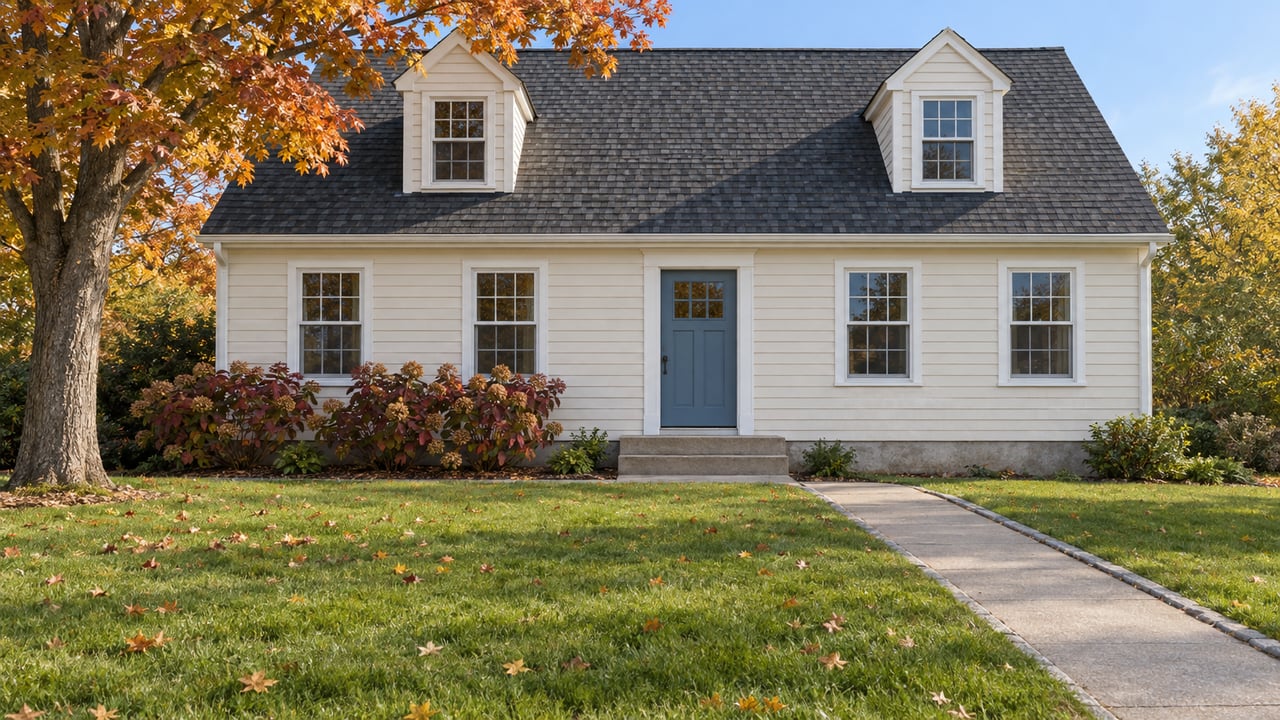
- Single-family homes typically come with larger yards, more privacy, and more responsibility. Plan for roof, siding, HVAC, and yard care in your annual budget.
HOA dues and coverage vary by community, so confirm the amount and what it includes on each listing rather than assuming a standard figure.
Age and condition expectations
A large portion of Westborough’s homes were built between the 1960s and 2000. Older homes can bring inspection items and energy-efficiency upgrades to plan for. When you view homes from earlier decades, budget for system replacements over the next few years and prioritize a thorough inspection. The Housing Production Plan highlights age and maintenance patterns.
Your offer, contingencies, and new MA inspection rules
The new rule on inspection waivers
Massachusetts now prohibits sellers from conditioning the acceptance of your offer on a home-inspection waiver. Sellers must provide written disclosure of your right to inspect, and they cannot require a waiver as part of accepting your offer. You can still choose to waive or limit inspections later, but the initial acceptance cannot hinge on it. This change gives you more room to protect your purchase while staying competitive. Review 760 CMR 74.00.
What to expect in a typical offer
Your offer will likely include:
- Earnest money deposit: often a fixed amount or about 1–3% depending on price and competitiveness
- Inspection contingency: commonly 7–14 days, negotiated with the seller
- Financing contingency: often 21–45 days, tied to your lender’s process
- Appraisal contingency: confirms the home’s value meets your lender’s requirement
The exact terms depend on the property and the market’s pace. When inventory is tight, sellers may prefer shorter timelines. In calmer periods, you can often negotiate more time for inspections and financing.
Local negotiation notes
- Sewer and permitting: Westborough has implemented a sewer moratorium while assessing capacity. This mostly affects projects needing new connections or expansions, but it is smart to confirm whether a property is on town sewer and if any constraints could affect your plans. See the town’s planning context.
- Market speed: Multiple offers can happen when inventory is low. Ask your agent for current days-on-market and sale-to-list trends before finalizing strategy.
Timeline: pre-approval to closing
Use this as a practical roadmap. Your lender, property type, and negotiated terms will set the final pace.
- Day −A to 0: Research and pre-approval, 1–7 days. Aim for a strong pre-approval that has been reviewed by underwriting when possible.
- Week 0–8: Home search and offer prep. Line up your agent and lender so you can act quickly when a match hits the market.
- Offer accepted to inspection: 0–2 weeks. Many buyers use a 7–14 day window. Order any specialty tests early, like radon, sewer or septic scopes, oil tank sweeps, or lead/asbestos evaluations as indicated. Massachusetts’ inspection rule protects your right to inspect at acceptance. Read the regulation.
- Underwriting and appraisal: 2–6 weeks. Lenders often target 21–45 days for a conventional loan. Timelines vary by lender volume and loan program.
- Closing: often 30–60 days from acceptance. Straightforward financed purchases commonly finish around 30–45 days, with longer timelines possible in busy seasons or if title or utility items require more time. Local permitting or utility constraints can extend some cases.
Commute and location logistics
Westborough sits just east of Worcester with direct access to Route 9, I‑90, and I‑495. That location makes it a strong base for commuters heading toward Metro Boston, Framingham/Natick, or Worcester. If transit matters to you, the Westborough stop on the MBTA Framingham/Worcester Line offers direct rail service into Boston. Parking can fill on weekday mornings, so check current capacity and any permit rules or consider prioritizing proximity to the station. See MBTA station details.
Drive times vary widely by time of day and weather. Expect peak-hour trips to Boston to stretch, and compare that to the commuter rail if you can secure reliable station parking. Always test your specific route during your typical travel window before you finalize a location.
Inspections that matter here
Because a significant share of local homes were built from the 1960s through 2000, certain inspection items show up often. Understanding them helps you budget, negotiate repairs, or request credits.
Common findings include:
- Roof and flashing wear, especially on older shingles and around chimneys and vents
- Foundation drainage and grading issues that contribute to basement moisture
- Electrical capacity or legacy wiring in older homes
- Older heating systems, including oil-fired equipment and possible buried or abandoned tanks
- Environmental items in older stock, such as lead paint or asbestos-containing materials
- Insulation, ventilation, and older window inefficiencies that raise energy costs
You can learn more about moisture and foundation best practices from national inspection resources. Read this foundation and waterproofing overview. The town’s Housing Production Plan also notes that older housing can carry higher maintenance and legacy materials. See the town’s discussion of older stock.
Practical next steps: order specialty tests where indicated, like a sewer or septic scope, radon testing, oil tank sweep for pre-1970s properties, and targeted lead or asbestos testing. Use findings to negotiate repairs, credits, or a price adjustment. Remember that Massachusetts rules protect your right to inspect at acceptance. Review 760 CMR 74.00.
Local programs and resources
If you are exploring income-restricted or subsidized options, the town’s Affordable Housing Trust and related programs run lotteries and maintain resources for eligible first-time buyers. The Housing Production Plan outlines local efforts and partner agencies that support affordability. Start there, then follow the town’s links to current opportunities and contacts. Open the Housing Production Plan.
Statewide partners like MassHousing and related agencies often provide down payment assistance and first-time buyer education. Ask your lender about current program eligibility and how these can lower your upfront costs or interest rate.
Quick checklist
- Get a full lender pre-approval, not just a pre-qualification.
- Confirm your price band with taxes: Assessed value × tax rate ÷ 1,000 for annual tax, then divide by 12 for monthly. Use the Assessor’s page.
- Decide between townhome/condo or single-family based on maintenance, budget, and lifestyle.
- Work with an agent who knows Westborough’s permitting, HOA patterns, and any sewer considerations.
- For mid-century or older homes, plan specialty checks: sewer or septic scope, radon, oil tank sweep, lead/asbestos testing as indicated.
- If rail commuting matters, confirm MBTA station parking and schedules. View the station info.
Ready to start?
If Westborough is on your short list, you can get from research to keys with a clear plan, a strong pre-approval, and a local guide who understands both the market and the nuts-and-bolts of inspections and renovations. When you are ready, connect for a customized budget review, a short-list of homes that match your goals, and a step-by-step closing plan that keeps surprises to a minimum. Reach out to Annie Oakman to get started.
FAQs
What should first-time buyers know about Westborough prices?
- Most public market snapshots place Westborough’s median in the mid six figures, typically ranging from the high $500Ks to the low $700Ks depending on the month and source; check current data before offering.
How do Westborough property taxes affect my payment?
- Use Assessed value × tax rate ÷ 1,000 to estimate the annual bill, then divide by 12; Westborough’s recent residential rate has sat in the mid $15–$16 per $1,000; confirm the latest rate on the town’s site.
What do HOA fees usually cover in Westborough townhomes?
- Dues vary by community but often include exterior maintenance, landscaping, and snow; verify the exact amount and coverage on each listing before you write an offer.
How do Massachusetts’ new inspection rules change my offer?
- Sellers cannot condition acceptance on an inspection waiver; you keep the right to inspect at acceptance, then can decide how to proceed after you receive reports.
Is the Westborough commuter rail practical for daily use?
- Many buyers use the MBTA Framingham/Worcester Line from Westborough for Boston commutes; check parking capacity and schedules, or consider living closer to the station for easier access.
How long does a typical Westborough closing take?
- Many financed purchases close in about 30–45 days after acceptance, with timelines extending to 60 days in busy periods or when title, permitting, or utility items add steps.