Wondering where Framingham’s MetroWest market is heading next? You are not alone. With prices coming off pandemic highs, more homes sitting a bit longer, and mortgage rates shaping budgets, it pays to understand the local story before you make a move. In this guide, you’ll learn the key trends shaping supply, demand, and pricing in Framingham, plus practical steps for buyers, sellers, and investors. Let’s dive in.
Big picture: What’s driving Framingham
Price growth cooled
Home values in Framingham climbed quickly during 2020 to 2022. Since then, higher mortgage rates and a gradual rise in inventory have eased bidding wars and cooled short-term price growth. You still see strong fundamentals over the long term, but month-to-month pricing is more sensitive to rates and seasonality.
Inventory and time to sell
Inventory that was once extremely tight has improved in many MetroWest neighborhoods. Homes often spend more time on the market than they did in 2020 to 2022. That gives you more room for negotiation on terms, timing, and contingencies, especially in segments with more comparable listings.
Mortgage rates shape budgets
Rates remain the biggest affordability lever. When rates move, monthly payments change, and buyer demand shifts between single-family homes, condos, and rentals. To keep your plan grounded, track the benchmark rate trend through the Freddie Mac Primary Mortgage Market Survey.
Transit keeps demand resilient
Access to the Framingham/Worcester commuter rail, Route 9, and the Mass Pike continues to be a draw. Buyers who want Boston access and MetroWest amenities often prioritize homes near rail or major corridors. You can review service frequency and travel windows on the MBTA Framingham/Worcester Line.
New construction and mixed-use growth
Downtown and transit-adjacent areas have attracted multifamily and mixed-use proposals. This adds variety to the housing stock and can influence rent trends. For current permits and projects, check the city’s Planning & Community Development updates.
Micro-markets: Neighborhood snapshots
Framingham is not a single market. Each area has its own mix of property types, pricing, and buyer demand. Your strategy should fit the neighborhood.
Downtown Framingham / Central Square
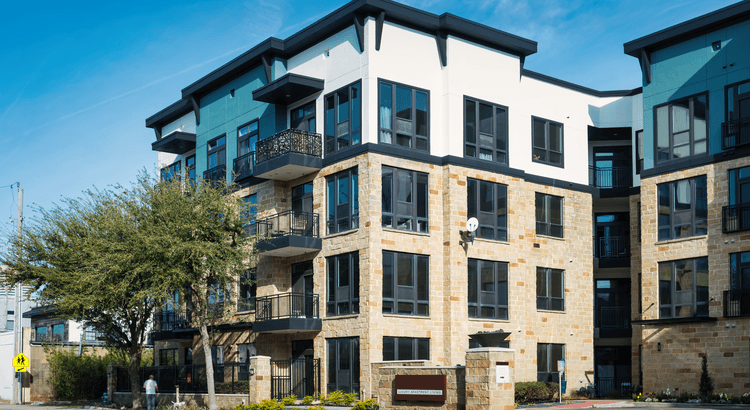
You see more condos and multifamily options, plus walkability and rail access. This area often appeals to buyers who want shorter commutes and nearby amenities. Investors also track rental demand close to transit and retail.
Saxonville
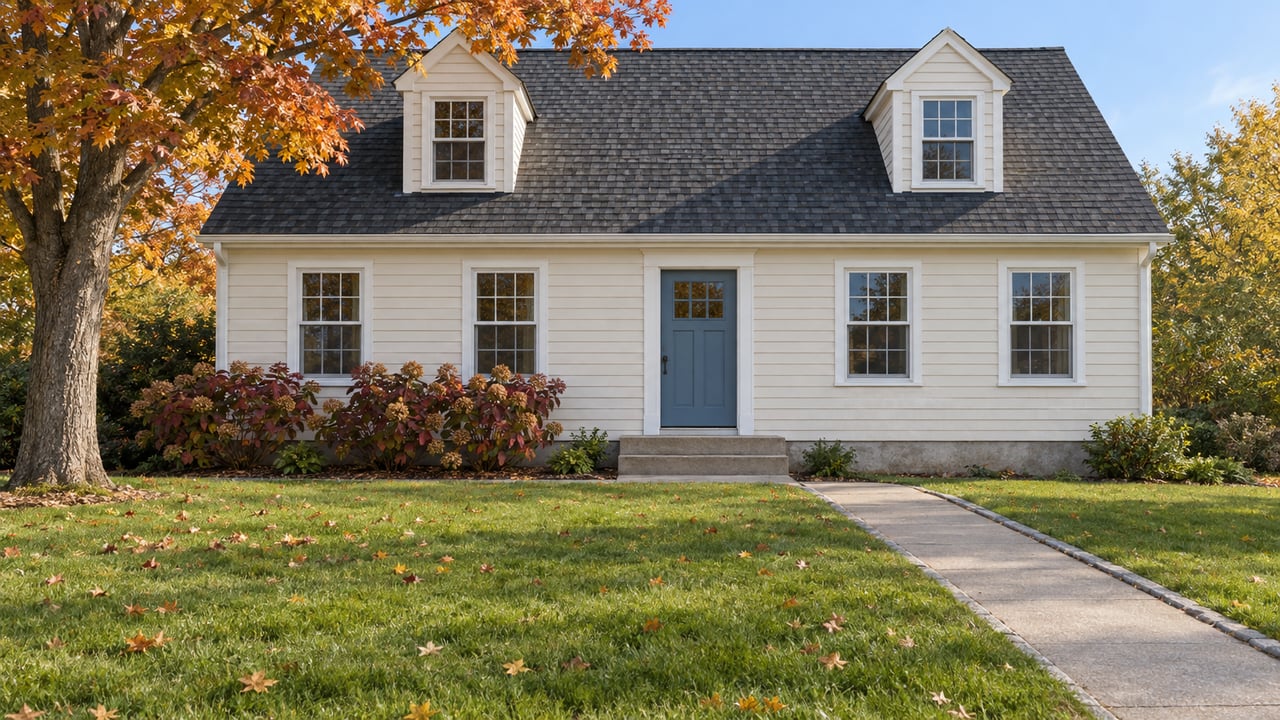
This village setting offers a mix of single-family homes and smaller cottages, with nearby parks and river access. It attracts buyers who value a neighborhood feel with access to Route 9 and regional shopping.
West Framingham / Nobscot
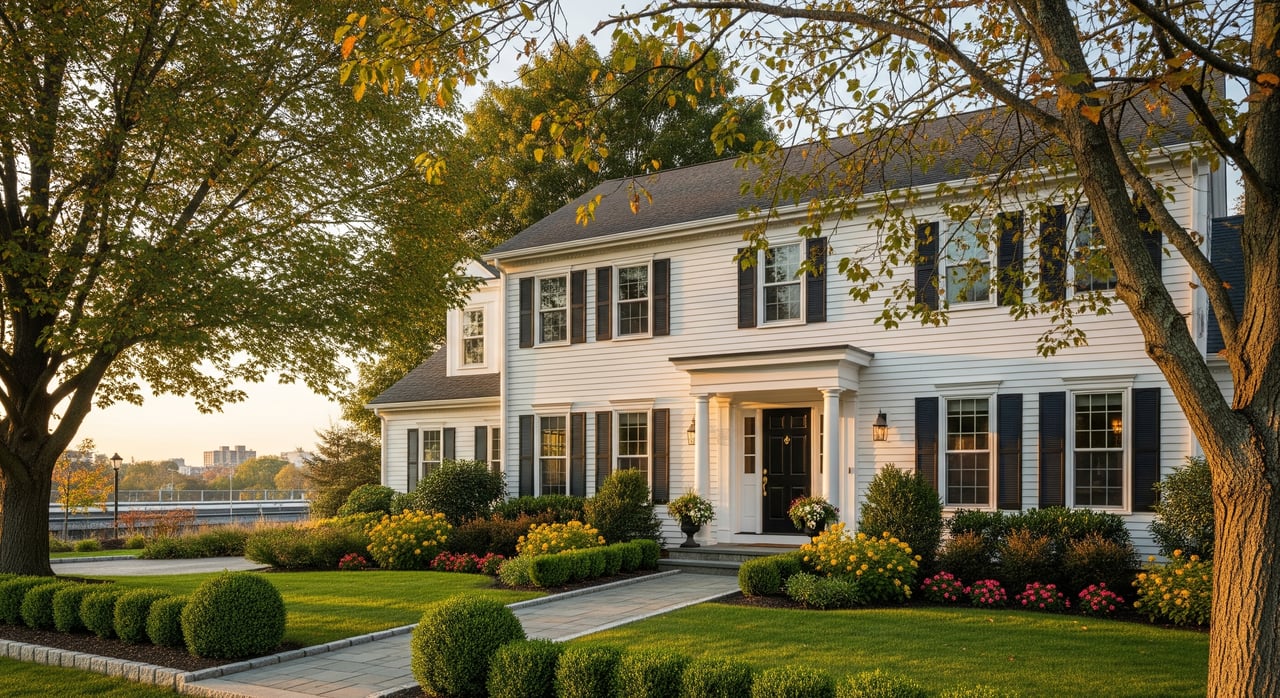
Here you typically find larger single-family lots and newer subdivisions. Buyers who want yards and more space often prioritize this side of town. Days on market and pricing can vary by age of home and recent updates.
South Framingham
Housing types and price points vary block by block. Proximity to commuter routes is a practical benefit. Look closely at recent comparable sales to dial in value, since property characteristics can shift within a small radius.
Near Framingham State University
This area blends owner-occupied homes with rentals. Landlords and investors assess rent levels and turnover, while end users weigh commute convenience and campus proximity. Due diligence on leases, parking, and local rules is essential.
If you’re buying
- Get preapproved and stress test your payment. A small rate change can shift your budget. Track weekly trends with the Freddie Mac PMMS and review scenarios with your lender.
- Stay flexible on property type. If single-family prices feel out of reach, compare condos or townhomes. Factor HOA fees, pet rules, and reserves into your total cost.
- Consider light renovation potential. Homes needing cosmetic updates often trade at a discount. A clear scope, timeline, and budget can help you unlock value without overextending.
- Balance commute and lifestyle. In MetroWest, an extra 10 to 15 minutes of drive time can open up inventory at different price points. If rail access is key, check the MBTA Framingham/Worcester schedule during your target commute.
- Do thorough due diligence. Many New England homes are older. Confirm roof and system ages, insulation, and whether the property uses municipal water and sewer. Review potential flood exposure using the FEMA Flood Map Service Center.
If you’re selling
- Price for today’s market. With less frenzy than 2021, realistic pricing and fresh presentation matter. Professional photos, minor repairs, and simple staging can widen your buyer pool.
- Time your launch. Spring often brings more foot traffic, but local inventory and mortgage rate moves can create opportunities year-round. Your list date should align with your move timeline and nearby comps.
- Market what buyers value. Highlight transit access, commute options, and recent neighborhood improvements. Keep school references neutral and link to official data if asked.
- Choose smart updates. In many cases, modest cosmetic improvements net more than large structural projects. If bigger work is needed, compare the cost of improvements vs a strategic price adjustment before listing.
For investors
- Underwrite conservatively. Model today’s rates and realistic rent growth, and account for vacancy and maintenance. Turnover patterns near transit and campus areas can influence your pro forma.
- Study the pipeline. New multifamily or mixed-use inventory can shift rent comps. Follow approvals and timelines via Planning & Community Development.
- Know the rules. Review local requirements for leasing, permitting, and any short-term rental limits on the city site. Property tax rates and fees also impact cash flow; see the Assessor’s Office for current information.
How to track the market
Use these official sources to keep your plan current:
- Population and household trends: U.S. Census QuickFacts for Framingham
- Mortgage rate trend: Freddie Mac Primary Mortgage Market Survey
- Transit schedules and frequency: MBTA Framingham/Worcester Line
- Development pipeline and zoning updates: Framingham Planning & Community Development
- Property tax information: Framingham Assessor’s Office
- School performance metrics: Massachusetts Department of Elementary and Secondary Education
- Flood risk maps: FEMA Flood Map Service Center
Putting it all together
Framingham’s MetroWest market has shifted from the peak-competition years, but demand drivers like transit access, regional jobs, and diverse housing options remain in place. If you match your strategy to the neighborhood, plan for rate swings, and focus on fundamentals, you can still buy or sell with confidence. Whether you are eyeing a commuter-friendly condo, a single-family with room to grow, or a value-add property, a clear plan and current data make the difference.
Ready to talk through your timing, budget, or renovation ideas? Reach out to Annie Oakman for a local strategy session tailored to your goals.
FAQs
Is now a good time to buy a home in Framingham?
- It depends on your timeline, payment comfort at current rates, and neighborhood fit; compare your budget at today’s rates, review recent inventory and days on market, and focus on a 5-year or longer holding plan.
Are home prices still rising in Framingham?
- Prices surged in 2020 to 2022 and have cooled since; short-term moves now track mortgage rates and inventory, so watch monthly trends and compare recent comparable sales by neighborhood.
How long is the commute from Framingham to Boston?
- Commuter rail service varies by time of day; check the MBTA Framingham/Worcester Line for current schedules and plan a test run during your typical commute window.
Which Framingham neighborhoods tend to move fastest?
- Activity varies; transit-adjacent and updated homes often draw more showings, while larger single-family homes in West Framingham and Nobscot follow their own seasonal patterns; always compare recent days on market and seller concessions nearby.
Are new condos or apartments coming to downtown Framingham?
- Downtown and transit corridors have seen mixed-use and multifamily proposals; review current approvals and timelines with Planning & Community Development.
What should I know about property taxes and schools in Framingham?
- Confirm current tax rates with the Assessor’s Office and review neutral school performance data through the Massachusetts Department of Elementary and Secondary Education.