If you work in Boston but feel priced out of closer-in suburbs, Framingham probably keeps popping up on your list. It offers a real commuter connection, noticeably lower home prices than Cambridge or Newton, and a mix of downtown and suburban living that can fit different routines. If you are wondering whether the tradeoff is actually worth it, this guide will help you weigh commute, housing, and day-to-day life in practical terms. Let’s dive in.
Why Framingham Gets Attention
Framingham sits in a spot that makes sense on paper for Boston commuters. The city places itself about 20 miles west of Boston and 20 miles east of Worcester, with access to I-90, Route 30, and Route 9. That puts you in the middle of a major work and travel corridor rather than at the edge of it.
For many buyers, that middle-ground location is the point. You may not want to pay Cambridge or Newton pricing, but you still want a realistic path into Boston for work. Framingham gives you that compromise with both rail and highway access.
What the Boston Commute Looks Like
Framingham has an MBTA commuter rail stop in downtown at 417 Waverly Street on the Framingham/Worcester Line. The station also serves Amtrak, and downtown includes the MWRTA transit hub. The city also highlights Logan Express service and MetroWest Express reverse-commute options to local employment centers.
If you are commuting into Boston by train, current estimates put a direct trip from Framingham to South Station at about 53 minutes on average, with the fastest trips around 40 minutes and roughly hourly frequency. That is not a quick hop, but it can be workable if your schedule is predictable and you want to avoid driving every day.
Driving is part of the picture too. With direct access to I-90, Route 9, and Route 30, Framingham gives you several regional routes, which matters if your job is not right next to South Station or if your commute changes day to day.
The broader data backs up Framingham’s role as a commuter city. The city says 28,151 residents leave Framingham for work, which equals 84.4% of the labor force, and notes that more residents commute to Boston than work in the city. Census QuickFacts lists the mean travel time to work at 30.4 minutes.
The Biggest Reason People Consider Framingham
For many Boston-area buyers, the answer is simple: cost. Framingham’s typical home value is listed at $677,628, with a median sale price of $666,167. That is well below Cambridge, where typical home value is $1,050,668, and Newton, where typical home value is $1,558,397.
That gap is not small. It can change what kind of home you can buy, how much renovation you can take on, and how much monthly breathing room you have after closing. If you have been searching in Cambridge or Newton and feeling boxed in, Framingham may open up more realistic options.
Renters see a similar pattern. Average rent in Framingham is $2,324, compared with $3,621 in Cambridge and $3,687 in Newton. If you are planning a move in stages, renting in Framingham first may give you a way to test the commute before buying.
What Kind of Housing You Should Expect
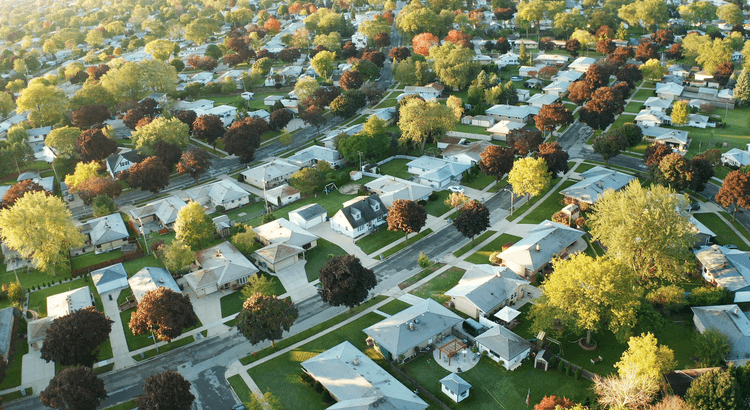
Framingham is not one uniform housing market. The city says about 55% of housing units are owner-occupied, and 93% of owner-occupied homes are single-unit houses. In plain terms, that means the city still leans suburban in its housing stock.
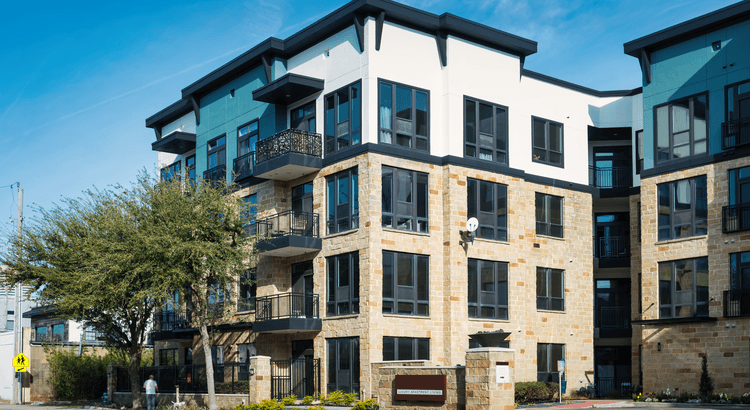
You should expect a lot of single-family homes, along with larger apartment buildings and some condo-style options in more transit-oriented or major-corridor locations. Rental units are more concentrated in the southern half of town, and housing near downtown may feel different from housing in more residential pockets.
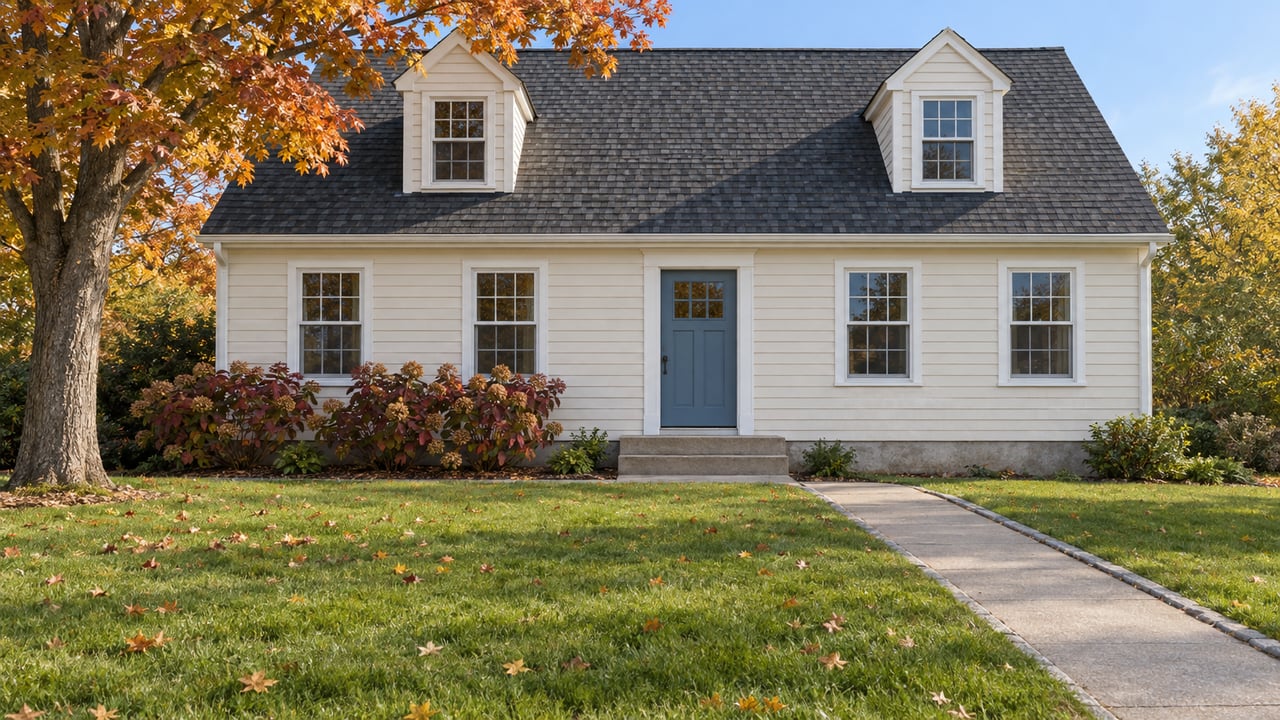
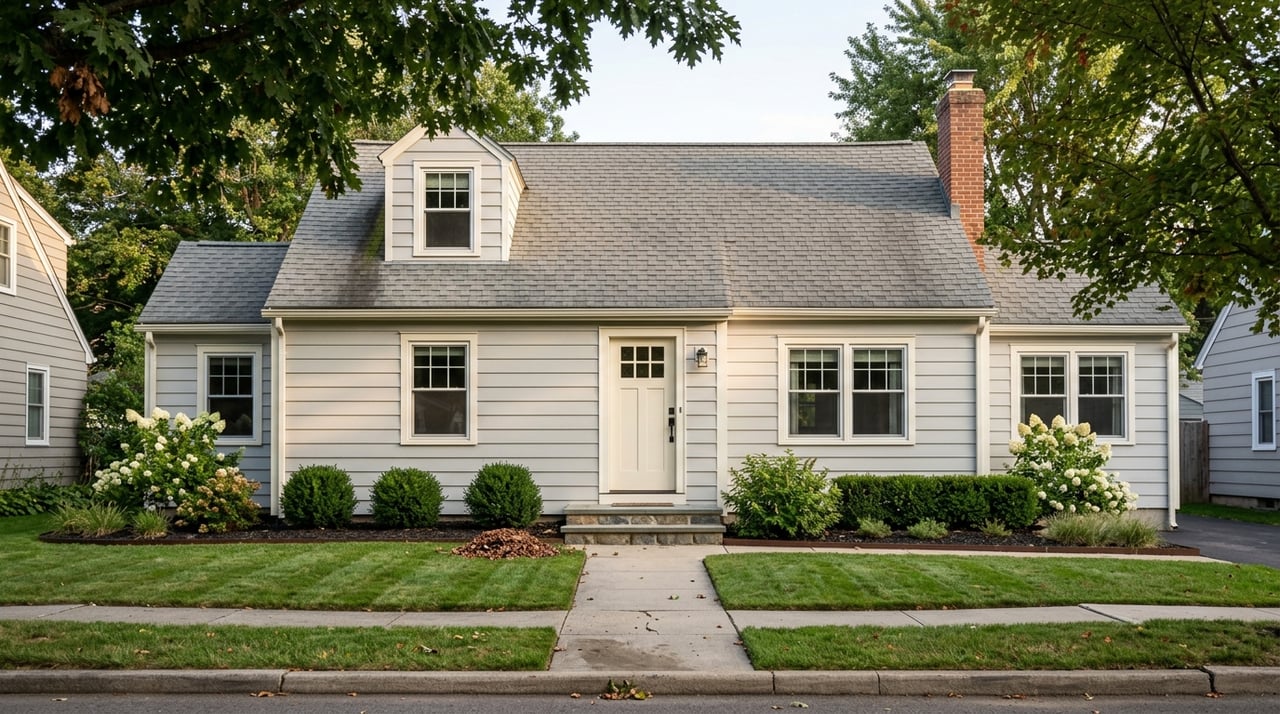
There is another practical point to know before you start touring. The city says 77% of Framingham’s housing stock was built before 1980. That does not automatically mean a home is a project, but it does mean condition, updates, systems, and layout can vary a lot from property to property.
For buyers who do not mind cosmetic updates or phased improvements, that older stock can create opportunity. If you are renovation-minded, this is where it helps to look past finishes and focus on layout, structure, location, and long-term value.
Downtown vs Suburban Living in Framingham
One of Framingham’s strengths is variety. You are not choosing between only one lifestyle or one housing type. Instead, you can target the part of the city that best matches how you actually live and commute.
Downtown Framingham
Downtown is the most transit-oriented part of the city. The city describes it as having strong architectural character, the commuter rail stop, stores, cafes, breweries, events, performing arts venues, and a mix of cultural and retail uses.
If your top priority is train access and having more daily needs nearby, downtown will likely feel the most practical. It may also make the most sense if you want to reduce how often you need to get in the car.
Framingham Centre
Framingham Centre is the historic core and home to Framingham State University, the Framingham History Center, Danforth Art, and the Technology Park. This area may appeal to buyers who like established character and a central location within the city.
It is a different feel from downtown. Instead of being defined first by transit, it blends history, institutions, and everyday residential living.
Saxonville
Saxonville is described as a walkable historic district with 19th-century wooden homes. If you are drawn to older New England housing stock and a neighborhood setting with local character, Saxonville may stand out.
As with many older areas, housing condition and updates can differ a lot from house to house. That makes it especially important to look carefully at maintenance, major systems, and renovation scope.
Nobscot
Nobscot leans more suburban, with a village center, wooded open space, and access to Garden in the Woods. It can be a fit if you want a more residential feel while still staying connected to the rest of Framingham.
Neighborhood centers like Nobscot also cover basics such as convenience services, which can make daily life easier even if you are not near downtown. For some buyers, that balance is more important than being closest to the train.
Can You Live in Framingham Without a Car?
The honest answer is: possibly, depending on where you live and how you commute. Near downtown, the commuter rail stop and MWRTA transit hub make car-light living more realistic than it would be in many suburban communities.
That said, Framingham is not uniformly urban. The city’s retail, housing, and transportation network are spread across different nodes, and large shopping areas cluster near major roads like Route 9 and I-90. For many households, a car will still make life easier.
If you want to rely less on driving, focus your search around downtown and be realistic about your daily routine. Think beyond the trip to Boston and consider groceries, errands, appointments, and weekend plans.
Everyday Convenience Matters Too
A commuter town only works long term if life outside work feels manageable. Framingham has several major shopping and service areas, including the Golden Triangle near I-90 Exit 13, where Natick Collection, Framingham Mall, and Shoppers World are clustered together. Route 9 also carries a large share of the city’s retail and service activity.
You also get smaller local business nodes in downtown, Nobscot, and Saxonville. The city notes that downtown food options include Brazilian, Middle Eastern, Indian, Asian, Irish, Italian, pizza, and deli spots. That kind of range can make a place feel more livable, not just convenient.
Framingham also supports more than just the workweek routine. The city highlights the Danforth Museum of Art, Amazing Things Arts Center, Framingham History Center, Framingham Public Library events, free summer Concerts on the Common, recreation programs, Loring Arena, and Farm Pond Park.
So, Is the Move Worth It?
For a lot of Boston commuters, yes, Framingham can be worth it if your goal is to balance access and affordability. You get a city with rail service, highway connections, and home prices that are far lower than Cambridge and Newton. That alone makes it one of the more practical options in the wider Boston orbit.
The tradeoff is that Framingham is not a fully urban, one-size-fits-all commuter environment. Walkability, housing style, and home condition vary by area, and much of the housing stock is older. You are making a compromise, but for many buyers, it is a smart one.
If you are comparing towns, the best question is not whether Framingham feels exactly like Boston-adjacent urban living. The better question is whether it gives you enough convenience, enough housing value, and enough day-to-day fit for the budget you want to keep.
If you are exploring commuter-friendly towns and want practical guidance on housing stock, neighborhood fit, or whether an older home has real upside, Annie Oakman can help you think through the tradeoffs with a local, value-focused lens.
FAQs
Is Framingham a good choice for Boston commuters?
- Framingham can be a strong option for Boston commuters because it has MBTA commuter rail service, access to I-90, Route 9, and Route 30, and a location about 20 miles west of Boston.
How long is the train from Framingham to Boston?
- Current estimates put a direct train trip from Framingham to South Station at about 53 minutes on average, with the fastest trips around 40 minutes.
Is Framingham more affordable than Cambridge or Newton?
- Yes. Current Zillow data in the research report shows Framingham home values and rents are significantly lower than both Cambridge and Newton.
What types of homes are common in Framingham?
- Framingham’s housing stock is mostly single-family homes, with apartments and other multifamily options more likely near downtown and major corridors.
Which part of Framingham is most commuter-friendly?
- Based on the city’s descriptions, downtown is the most transit-oriented area because it has the commuter rail stop and the MWRTA transit hub.
Can you live in Framingham without a car?
- It may be possible near downtown, but many households will still find a car helpful because shopping, services, and housing are spread across different parts of the city.