Think a fixer-upper in Worcester is your shortcut to homeownership or a smart value-add play? It can be, but only if you buy with clear numbers and a realistic renovation plan. In a city with older housing stock, wide price differences by area, and plenty of homes that need work, the best opportunities are usually the ones that need manageable repairs, not full gut jobs. Here’s how you can find a Worcester fixer-upper without blowing your budget. Let’s dive in.
Worcester fixer-upper market basics
Worcester is still competitive, but it is not moving at a frenzy. According to Redfin’s Worcester housing market data, the median sale price was $446,000 in February 2026, homes sold in about 36 days, and the average home received about two offers.
That matters if you are shopping for a fixer-upper because you may have a little room to do your homework, but not enough time to be sloppy. You still need to know your ceiling, estimate repairs early, and move with confidence when a property checks the right boxes.
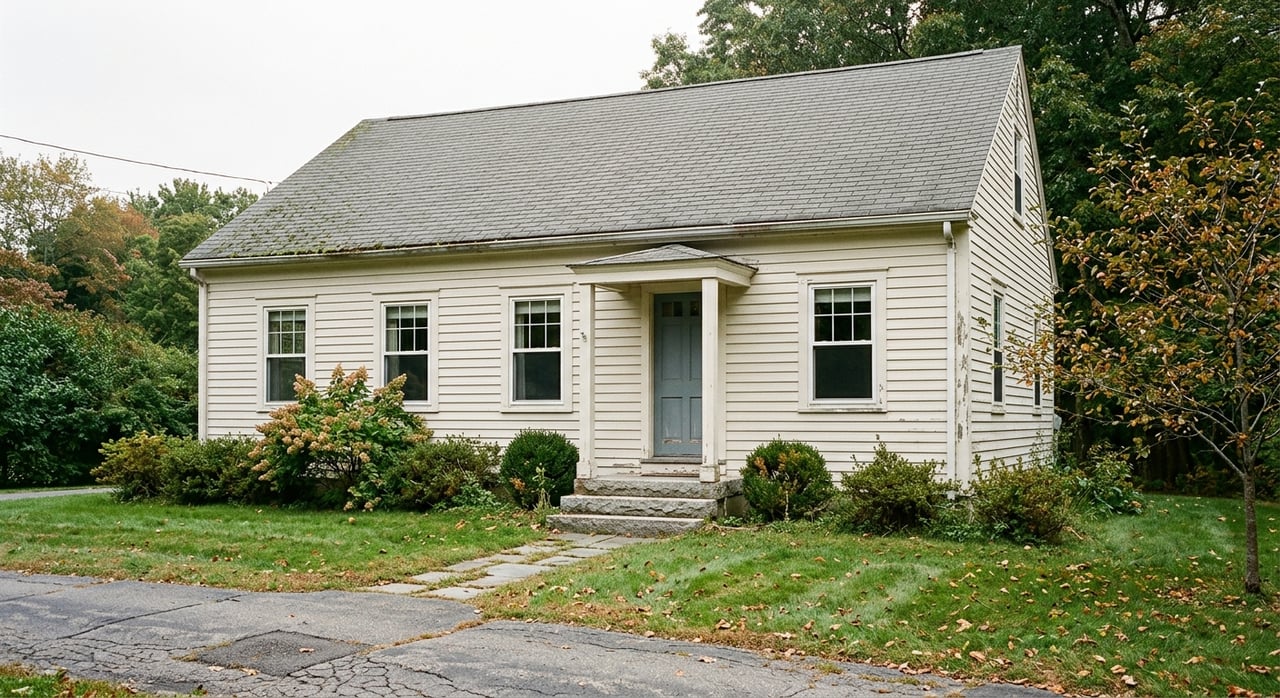
Worcester also has a large supply of older homes. The city’s housing plan presentation notes that the majority of homes were built before 1960, including more than 20,000 units built in 1959 or earlier. Older homes can offer charm and upside, but they also raise the odds of deferred maintenance, outdated systems, and lead-related work.
Start with the right budget
A fixer-upper budget is never just the purchase price. You need to account for the home itself, renovation costs, carrying costs, and a cushion for surprises.
In Worcester, taxes should be part of that math from day one. The city’s residential tax rate is $13.28 per $1,000 of assessed value, which works out to about $5,312 a year on a $400,000 property and about $5,923 a year on a $446,000 property before exemptions, based on the local tax rate cited in the research.
If you are stretching to buy, those ongoing costs can matter just as much as the contractor quote. Worcester also bills real estate taxes quarterly, and delinquent balances can accrue 14% annual interest, so carrying a project longer than planned can get expensive fast.
Focus on neighborhoods with room to work
One of the easiest ways to overspend on a fixer-upper is to ignore the neighborhood’s likely finished value. You do not want to buy a home, pour money into it, and then discover you renovated past what buyers in that area are willing to pay.
Research from Redfin neighborhood pages shows meaningful price differences across Worcester. Southern Worcester was listed at $340,000, Webster Square at $369,000, Tatnuck at $371,000, Burncoat at $416,000, and West Worcester at $441,000, compared with the citywide median of $446,000.
That does not mean lower-priced areas are automatically better deals. It means you should compare the asking price, the scope of work, and the likely post-repair value within that specific part of Worcester. The goal is to find a property priced low enough to absorb repairs while still leaving room under the neighborhood ceiling.
Know which repairs can break your budget
Most buyers get in trouble when they underestimate systems and safety issues. Cosmetic updates are easier to control. Hidden structural or mechanical problems are where budgets tend to unravel.
Based on the renovation benchmarks in the research report, here are some rough cost ranges you should keep in mind:
- Kitchen remodel: about $10,500 to $20,000 for a small remodel, with broader kitchen remodels averaging $26,945 and commonly ranging from $14,586 to $41,527, according to Angi’s kitchen remodel data
- Bathroom remodel: about $6,600 to $17,600, based on Angi’s remodel cost estimator
- Roof replacement: about $5,900 to $12,900, according to Angi’s roofing cost guide
- HVAC replacement: about $5,000 to $22,000, with an average around $7,500, based on Angi’s HVAC pricing guide
- Window replacement: average around $7,354, usually $3,441 to $11,839, according to Angi’s window replacement guide
- Foundation repair: average around $5,176, typically $2,224 to $8,134, based on Angi’s foundation repair guide
- Electrical panel upgrade: commonly $1,200 to $2,000, according to Angi’s panel upgrade cost guide
- Lead paint inspection and removal: inspection often costs $300 to $700, while professional removal averages about $3,499, according to Angi’s lead paint cost guide
If a home needs several of these at once, your budget can snowball quickly. That is why the best Worcester fixer-uppers are often homes with one or two major fixes and mostly cosmetic work after that.
Prioritize repairs with better resale logic
Not every renovation dollar works equally hard for you. If resale or future value matters, it helps to know which projects tend to hold up better.
According to the 2025 Cost vs. Value report from Zonda, the projects with the strongest payback were mostly exterior improvements. Garage door replacement, steel entry door replacement, manufactured stone veneer, fiber-cement siding replacement, and minor kitchen remodels ranked among the strongest performers.
That is a useful reality check for Worcester buyers. If your plan includes a huge luxury kitchen, moving walls, or a major interior redesign, you need to be careful. In many cases, a sensible layout, updated systems, fresh finishes, and improved curb appeal will do more for your budget than a high-end overhaul.
Watch for Worcester-specific due diligence
In Worcester, older homes come with local paperwork and compliance issues that you should not ignore. This is where a lot of buyers get caught off guard.
First, permits matter. The city’s Building & Zoning division says permits are required for new construction, repairs, additions, alterations, demolition, and changes in use, and work cannot start until the permit is approved and issued. The city also notes that unpermitted residential work can trigger a $500 fine.
Second, Massachusetts has rules that protect homeowners during renovation projects. The state says contractors working on existing owner-occupied one- to four-unit homes generally must be registered as Home Improvement Contractors, written contracts are required for work of $1,000 or more, and contractors usually cannot collect more than one-third upfront except for special-order materials. You can review those standards through Massachusetts HIC homeowner resources.
Third, lead paint deserves serious attention in Worcester because so much of the housing stock predates 1978. Federal law requires lead-based paint disclosures for pre-1978 housing, and Massachusetts requires lead hazards to be removed or covered when children under 6 live in the home. Worcester also offers a Lead Abatement Program with grants for eligible properties, with the city stating support of up to $30,000 per unit and additional financing options above that threshold.
Use a simple fixer-upper formula
If you want a practical screen for properties, keep it simple. A good Worcester fixer-upper usually checks three boxes:
- The purchase price reflects the condition. You are not paying close to turnkey pricing for a home that still needs major work.
- The heavy repairs are limited. One or two predictable fixes is very different from a roof, heating system, electrical upgrade, foundation work, and lead remediation all at once.
- The post-repair value fits the area. Your renovation plan stays in line with what finished homes in that part of Worcester can reasonably support.
That approach lines up with the market snapshot in the research report: homes are still moving, older stock is common, and the safest value-add path is often a property with enough discount to absorb needed repairs while keeping the rest of the work mostly cosmetic.
Consider renovation financing options
If you have the right property but not enough cash to buy and renovate separately, financing may help bridge the gap. The research report points to two common options designed for purchase plus renovation in one loan: the HUD 203(k) program and Fannie Mae’s HomeStyle Renovation mortgage.
These programs are not right for every buyer, but they can open doors if you are buying a home that needs work right away. The key is making sure the scope is realistic and the total monthly payment still fits your comfort level.
Keep your rental math realistic
If you are buying with future rental income in mind, avoid building your numbers on best-case assumptions. The research report notes that Zillow listed an average Worcester rent of $2,134 in January 2026, which can serve as a rough market check.
That number is only a starting point, not a guarantee. If you are thinking about a buy-and-hold property, you should also factor in taxes, insurance, vacancy, repairs, and local compliance. Worcester’s rental registry program requires owners to register each rental unit with the city.
Red flags to avoid
Some fixer-uppers are opportunities. Others are expensive lessons. Be extra careful when you see:
- An asking price that is not meaningfully below updated homes nearby
- Multiple big-ticket issues stacked together
- Signs of unpermitted work
- No clear path for permits or contractor estimates
- A renovation plan that depends on top-of-market resale pricing
- A budget with no cushion for surprises
If the numbers only work in a perfect scenario, the deal probably is not as good as it looks.
Buy the project you can actually finish
The smartest fixer-upper is not always the cheapest one. It is the one you can afford to buy, repair, carry, and live with if the timeline stretches.
In Worcester, that often means choosing a home with solid bones, a discount that reflects needed work, and a renovation list focused on safety, function, and simple value-add updates. If you stay disciplined, you can avoid the trap of over-improving and make a move that supports your long-term goals.
If you want help sorting through Worcester fixer-upper options, estimating where the budget risk really is, and finding the kind of project that makes sense for your goals, connect with Annie Oakman. You will get practical, local guidance rooted in real renovation experience.
FAQs
What is a realistic budget for a fixer-upper in Worcester?
- A realistic budget includes the purchase price, repairs, taxes, financing costs, and a reserve for surprises. In Worcester, older homes can bring added costs for roofs, heating systems, electrical updates, permits, and possible lead-related work.
What Worcester neighborhoods may offer lower entry prices for fixer-uppers?
- Based on the research report, areas such as Southern Worcester, Webster Square, Tatnuck, and Burncoat showed lower median prices than the citywide median, but the better question is whether the purchase price leaves enough room for repairs compared with likely finished value in that area.
What repairs should Worcester fixer-upper buyers check first?
- Start with the roof, heating and cooling, electrical, foundation, windows, and any lead paint concerns. Those items can shift your budget much faster than cosmetic updates.
What permits are needed for fixer-upper renovations in Worcester?
- Worcester requires permits for many types of residential work, including repairs, additions, alterations, demolition, and changes in use. Work should not begin until the city has approved the application, payment is made, and the permit is issued.
What financing options can help buy and renovate a Worcester fixer-upper?
- The research report identifies HUD’s 203(k) program and Fannie Mae’s HomeStyle Renovation mortgage as options that can finance the purchase and renovation together in a single loan structure.
What should Worcester buyers know about lead paint in older homes?
- For pre-1978 homes, federal lead disclosure rules apply, and Massachusetts has additional requirements when children under 6 live in the home. Worcester also has a lead abatement grant program for eligible properties, which can help offset some costs.