If you are trying to picture what daily life in Auburn, MA really feels like, it helps to think beyond home prices and square footage. You want to know how the day flows, how long the drive takes, where you can grab coffee, and what’s nearby when you need groceries, green space, or a quick errand. This guide walks you through the rhythms of everyday life in Auburn so you can decide whether it fits the way you want to live. Let’s dive in.
Auburn at a glance
Auburn sits on Worcester’s southwest border and functions as a practical suburban hub in Central Massachusetts. The town describes itself as being at the junction of I-90 and I-290, with additional access to I-395, Route 12, and Route 20.
That road network shapes a lot of what daily life feels like here. Auburn offers a suburban setting with strong regional connections, which can make it appealing if you want to stay close to Worcester while keeping access to other commuter routes.
Recent Census estimates place Auburn’s population at 17,566, with a median age of 44.8. The same data shows a mean commute time of 25.7 minutes, a 79.6% owner-occupied housing rate, and a median value of $400,000 for owner-occupied homes.
Auburn commutes and access
For many buyers, commute convenience is one of Auburn’s biggest selling points. The town’s transportation materials list I-90, I-290, I-395, Route 12, US Route 20, MBTA commuter rail, MBTA Express, Amtrak, the Providence/Worcester Railroad, and WRTA bus routes 27, 42, and 29.
In real life, that means you are not relying on just one way in or out of town. Whether you drive most days, use regional bus service, or connect to rail in Worcester, Auburn gives you several options to build a routine that works.
Driving around Auburn
If you commute by car, Auburn’s highway access is a major part of its appeal. Being near I-90, I-290, and I-395 can make regional travel more direct, whether you are heading into Worcester, traveling across Central Massachusetts, or connecting to broader routes.
The average commute time of 25.7 minutes also gives a helpful snapshot of local life. While every route and schedule is different, Auburn supports a pattern that feels manageable for many people balancing work, errands, and home life.
Rail and bus options
If you prefer public transit or want a backup to driving, Auburn’s location still works in your favor. Mass.gov notes that MBTA commuter rail lines serve Worcester, and Worcester Union Station is the regional hub for the Framingham/Worcester line.
That means some Auburn residents can pair local driving or bus connections with rail service out of Worcester. Auburn’s transportation map also lists WRTA routes 27, 29, and 42, which adds another layer of everyday flexibility.
Accessibility for daily needs
Auburn also offers paratransit service through WRTA for residents age 60+ and people with disabilities. The service provides curb-to-curb rides within Auburn and to surrounding towns on weekdays.
That kind of local transportation support matters because everyday life is not just about commuting to work. It is also about getting to appointments, stores, community services, and activities with less stress.
Coffee and quick errands
One of the easiest ways to judge a town is to ask a simple question: can you get through a normal Tuesday without driving all over the map? In Auburn, many daily needs stay close to home.
The town has a practical, errand-friendly feel. You can grab coffee, stop for groceries, run to a retail center, or meet someone for a casual work session without making the day overly complicated.
Local coffee stops
Root & Press has an Auburn location at 163 Washington Street. It is described as a workspace café with on-site seating, a conference room, and a kids’ room, which makes it more flexible than a standard grab-and-go coffee stop.
That setup can be especially useful if you work remotely, need a change of scenery, or want a place to meet and catch up. It reflects the kind of daily convenience many buyers are looking for when they picture living in a suburb full time.
Sage Cafe LLC is also listed at 163 Washington Street. Together, these café options add to the sense that Auburn supports both practical routines and small social moments throughout the week.
Grocery runs and retail basics
For groceries, Shaw’s at 368 Southbridge Street offers delivery and DriveUp & Go curbside pickup. Its location near Auburn Public Library and the Southbridge/Auburn Street intersection adds another layer of convenience for combining errands.
Auburn Mall remains one of the town’s biggest everyday destinations. Simon describes it as an indoor, climate-controlled shopping center with more than 60 stores, a dining pavilion, free parking, EV charging, and access from WRTA routes 27, 29, and 42.
That matters in New England, where weather can shape how and where you run errands. Having a year-round indoor retail option can make everyday tasks feel easier in both winter and summer.
Parks and outdoor time
Auburn’s everyday appeal is not just about roads and retail. The town’s Parks Division manages a broad mix of outdoor spaces, including Lemansky Park, the Dr. Arthur & Dr. Martha Pappas Recreation Complex, Pakachoag Hiking Trail, Dog Park, and Goddard Park.
If you like having space to walk, unwind, or get outside close to home, Auburn offers several simple options. These places may not be flashy, but they support the kind of routines that help a town feel livable.
Pakachoag Trail and walking options
Pakachoag Hiking Trail opened in 2017 and runs from the Pappas complex along the Worcester Flood Diversion Channel. The trail measures 4,624 feet one way, or 1.75 miles round trip.
That makes it a practical choice for a short walk before work, an afternoon reset, or a weekend loop without a major time commitment. For many buyers, access to this kind of easy outdoor space adds real value to day-to-day life.
Dog-friendly amenities
If you have a dog, Auburn’s Dog Park in Lower Lemansky Park is a useful local feature. The park includes separate fenced areas for large and small dogs, along with a shade pavilion, benches, water fountains, and waste receptacles.
It is open from dawn to dusk, which gives you flexibility around your schedule. Amenities like this can make a real difference if you want a town that supports everyday routines for both people and pets.
Small parks with local character
Goddard Park is a 2-acre park behind the fire station and includes a facsimile of the original rocket launched by Robert Goddard at Pakachoag Hill. It is a small detail, but it adds some local identity to the town’s park system.
In a place like Auburn, community character often shows up in these quieter ways. You see it in the small parks, town facilities, and shared spaces people use week after week.
Community life in Auburn
Auburn’s community life centers on accessible, local programming rather than big-city bustle. Town programming includes Summer in the Park concerts, a community yard sale, tennis in the parks, and the Independence Day Celebration at the Pappas complex.
These kinds of events can help you feel connected without needing to plan a major outing. They also give newer residents an easy way to get familiar with the town over time.
The 2026 Independence Day event included shuttle pickup from Pakachoag School, the Senior Center, and Auburn Mall. That detail says a lot about how Auburn approaches community events: practical, organized, and tied into the places residents already use.
Auburn Public Services also includes the public library and senior center. The library offers programs and events, museum passes, an online catalog, and e-books, which adds another everyday resource many buyers appreciate after they move in.
What homes feel like in Auburn
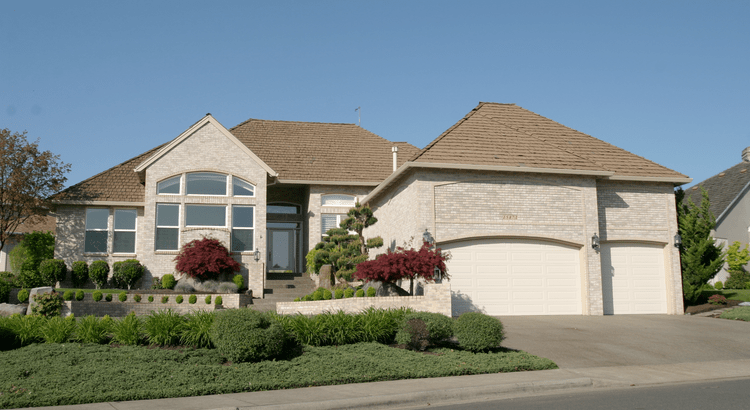
Understanding daily life also means understanding the housing stock you are likely to see. Auburn’s 2024 Housing Production Plan says 78% of homes are single-family detached, and assessor data show the town is led by 5,121 single-family parcels.
The same data lists 456 condominium parcels, 207 two-family parcels, 28 three-family parcels, and 19 multi-family parcels. In other words, Auburn is still mostly a single-family home market, but there are some alternatives depending on your budget and goals.
Single-family homes lead the market
If you are searching in Auburn, you will most often be looking at single-family homes. The town’s housing profile points to a suburban market with a high owner-occupied rate and housing opportunities that are primarily single-family.
That can appeal to buyers who want a more traditional suburban setup. It can also shape inventory expectations, especially if you are comparing Auburn to denser areas with more new construction or larger condo supply.
Older homes and renovation potential
Auburn’s housing stock also has age and character. More than 20% of the town’s single-family homes were built before 1940, and about half of the town’s homes were built between 1940 and 1980.
Only 3% of homes were built in 2010 or later. That means many buyers in Auburn should expect an older housing market, where updates, maintenance, and renovation potential can be part of the conversation.
If you are open to a home that needs cosmetic work or strategic improvements, this can create opportunity. For renovation-minded buyers, older homes may offer a chance to build value over time with the right plan.
Condos as a practical option
Auburn’s Housing Production Plan describes condominiums as a transition option between renting and single-family ownership. That makes condos relevant for first-time buyers, downsizers, or anyone who wants a foothold in town with a different maintenance profile.
If a detached home feels like too much right now, a condo may offer a more manageable path. In a town with a largely single-family identity, that flexibility can matter.
Why Auburn works for many buyers
Taken together, Auburn reads as a practical Worcester-area suburb with strong transportation access and close-to-home daily conveniences. You have highways, bus access, a Worcester rail connection, everyday retail, coffee stops, parks, and community programming all working together.
That does not mean Auburn is trying to be everything. It means the town tends to serve people who value function, routine, and a suburban pace with regional access.
If that sounds like your kind of lifestyle, Auburn is worth a serious look. And if you are also evaluating renovation potential, housing trade-offs, or the right fit between a condo and a single-family home, local guidance can make the search much clearer.
Whether you are buying your first place, moving up, downsizing, or looking for a property with value-add potential, Annie Oakman can help you make sense of Auburn with practical, local insight.
FAQs
What is the average commute time for people living in Auburn, MA?
- Recent Census data shows a mean commute time of 25.7 minutes for Auburn residents.
What transportation options are available in Auburn, MA?
- Auburn has access to I-90, I-290, I-395, Route 12, US Route 20, WRTA bus routes 27, 29, and 42, plus regional rail connections through Worcester Union Station.
What types of homes are most common in Auburn, MA?
- Auburn’s housing stock is primarily single-family detached homes, which make up 78% of homes in town.
Are there condo options in Auburn, MA for first-time buyers?
- Yes. Auburn’s Housing Production Plan notes that condominiums can serve as a transition option between renting and single-family ownership.
What are some everyday amenities in Auburn, MA?
- Auburn offers coffee spots, grocery options like Shaw’s, retail and dining at Auburn Mall, parks, the public library, and town community events throughout the year.