Trying to choose between Framingham, Marlborough, and Westborough? You’re not alone. Each MetroWest town offers a different mix of housing, commute options, and everyday convenience. If you want a smart shortlist before you start touring, this guide breaks down what to expect and how to collect the right data so you can decide with confidence. Let’s dive in.
How these MetroWest towns differ
All three towns sit along major corridors that connect to Boston and Worcester. The big picture: Framingham leans more urban and transit-friendly, Marlborough offers many newer subdivisions and strong highway access, and Westborough blends established single-family neighborhoods with a commuter lifestyle. Your best fit depends on whether you prioritize rail access, yard size, or a quieter suburban feel.
Housing stock: what you’ll find
Framingham snapshot
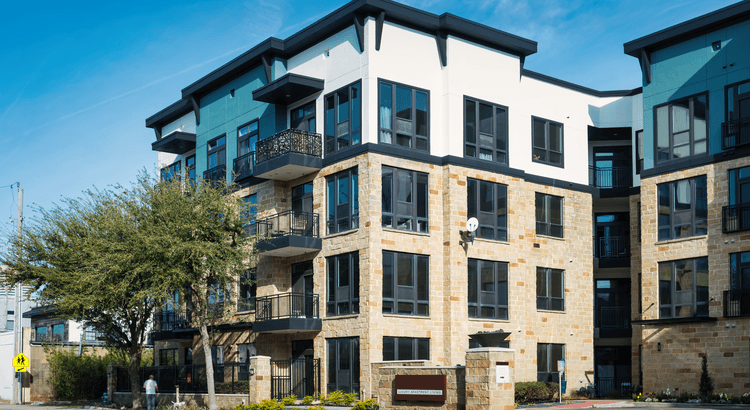
- Diverse housing, from downtown condos and multi-family buildings to older single-family homes and mid-century ranches and colonials.
- Mix of walkable village centers like downtown and Saxonville, plus suburban neighborhoods.
- Good fit if you want more transit options and a variety of price points by property type.
Marlborough snapshot
- Many single-family subdivisions built since the 1980s–2000s, along with townhouse and condo communities.
- Noticeable commercial and industrial zones near residential areas, which can shorten some commutes within MetroWest.
- Good fit if you want newer construction and larger-lot neighborhoods with regional highway access.
Westborough snapshot
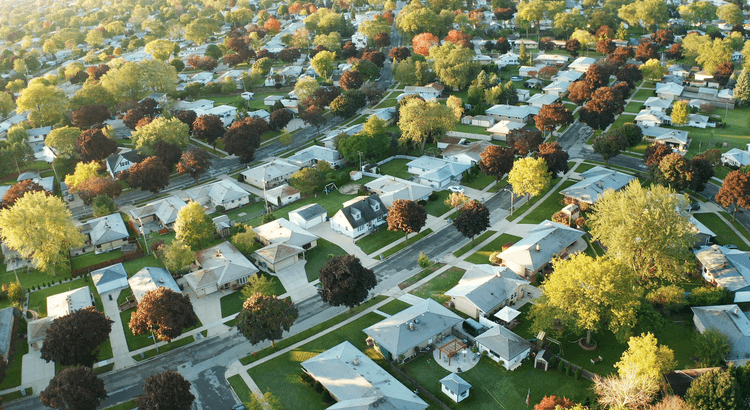
- Predominantly single-family subdivisions, some newer builds, and historic homes near the center.
- Generally more suburban and lower density than Framingham’s denser village areas.
- Good fit if you want a quieter town center and quick access to I-90 and I-495.
Price and inventory signals to check
Every market shifts. Instead of chasing outdated numbers, pull current data and compare apples to apples.
Core market metrics
- Median sold price for the past 12 months and year-over-year change.
- Price per square foot by property type (single-family vs. condo).
- Inventory and months of supply to gauge market speed.
- Average days on market and sale-to-list price ratio to read competitiveness.
- Share of new-construction vs. resales.
- Prevalence of multi-family (2–4 unit) vs. single-family homes and condo conversions.
How to pull accurate price ranges
- Start with the local MLS. Ask your agent for a custom report with 12-month medians and a 0–6 month trend snapshot. Request filters by single-family, condo, and townhouse.
- Use secondary checks from well-known real estate portals for quick recon, filtering by property type and beds/baths to confirm ranges.
- For hyperlocal comparisons, run by neighborhood or ZIP, and layer in lot size where it matters.
- If MLS access is limited, consult county-level public records for recent closed sales.
- Present prices as “typical sale bands” by property type and always note “as of [month/year], 12-month sold data; retrieved [date].”
Commute and transportation: compare your routes
Driving access by town
- Framingham: Easy access to Route 9 and the Mass Pike (I-90) for Boston or Worcester commutes. Multiple back-road options from downtown help you avoid congestion when possible.
- Marlborough: Close to Route 20, I-495, and I-290. Strong for regional driving and reverse commutes within MetroWest, less direct for downtown Boston without an I-90 connection.
- Westborough: Direct access to I-90 and I-495, ideal for interstate commuters heading east or west.
Peak drive times vary a lot by time of day and route. Test your typical departure windows with real-time navigation on several weekdays before deciding.
Rail and local transit
- Framingham: The Framingham/Worcester Line stops in downtown Framingham with direct service to South Station in Boston.
- Westborough: The same line serves Westborough with park-and-ride options used by many commuters.
- Marlborough: No dedicated commuter rail station. Residents often drive to nearby stations like Southborough, Westborough, or Framingham.
Typical rail rides to South Station range from about 35 to 60+ minutes depending on origin and express vs. local service. Parking rules and capacity at stations can change, so verify current permit and fee details before you rely on it. For local buses and shuttles, check the MetroWest Regional Transit Authority to see which routes serve your area.
Amenities and lifestyle trade-offs
Downtown vibe and dining
- Framingham: More urban, with a denser downtown, a mix of restaurants and cafés, arts and civic events, and several walkable village pockets.
- Marlborough: Traditional town center with dining and services, plus broader strip retail corridors. Many neighborhoods are more car-oriented.
- Westborough: Quieter small-town center with local shops and restaurants; less urban than Framingham.
Shopping and everyday errands
- Framingham: Extensive retail along Route 9 and nearby regional shopping centers, which can keep errands close to home.
- Marlborough: Regional strip centers and mall-style retail that draw from a wider area.
- Westborough: Shopping nodes along highway exits and smaller plazas; larger regional options are a short drive.
Parks and outdoor recreation
Each town offers municipal parks, playgrounds, and access to regional open space typical of MetroWest. Review each town’s parks and recreation pages to map trails, sports fields, and seasonal programs close to neighborhoods you’re considering.
Healthcare and employers
You can reach regional hospitals and urgent care centers from all three towns. Marlborough and Westborough host sizable business and industrial parks across logistics, life sciences, and tech, which can shorten local commutes. Framingham includes downtown, institutional, retail, and office employers.
At-a-glance comparison
| Category | Framingham | Marlborough | Westborough |
|---|---|---|---|
| Housing stock | Mix of downtown condos, multi-families, older singles, mid-century homes, newer condos | Many newer subdivisions, townhouses/condos, single-family focus | Predominantly single-family subdivisions, some historic near center, pockets of condos |
| Commute options | Route 9, I-90 access; MBTA rail in downtown | Route 20, I-495, I-290; no town rail station | I-90, I-495; MBTA rail with park-and-ride |
| Transit access | Strong rail access to Boston | Rail via nearby towns | Direct rail access in town |
| Downtown vibe | Denser, more urban with arts and events | Traditional center, more car-oriented overall | Quieter small-town center |
| Shopping | Extensive Route 9 retail and regional malls | Regional strip centers and mall-style corridors | Highway-adjacent shopping, smaller plazas |
| Best fit | Buyers wanting transit and more housing variety | Buyers wanting newer builds and regional driving access | Buyers favoring commuter-lifestyle, single-family focus |
Which town fits your lifestyle?
- If you want rail access to Boston, walkable pockets, and a wide mix of housing, Framingham may rise to the top.
- If you want newer single-family homes, larger yards, and quick I-495/290 access for MetroWest jobs, Marlborough often delivers.
- If you value a suburban pace, strong interstate access, and established single-family neighborhoods, Westborough is a strong match.
Use-case examples
- Young professional commuting to Boston who prefers not to drive daily: shortlist Framingham and Westborough for rail access, then compare parking availability and express vs. local train times.
- Household with a hybrid work schedule and a job in the I-495 corridor: shortlist Marlborough and Westborough for highway convenience and newer subdivisions.
- Renovation-minded buyer seeking value-add potential in a denser area: shortlist Framingham for a broader mix of older homes and multi-family options.
Decision checklist
- Pull 12-month median sold prices, price per square foot, and a 0–6 month trend for each town. Segment by single-family, condo, and townhouse.
- Note inventory, months of supply, average days on market, and sale-to-list ratio to compare pace and competitiveness.
- Map your commute both ways at your real departure times. Test highway routes and MBTA rail options, including parking rules and availability.
- Rank neighborhoods by your top criteria: lot size, walkability, housing age, HOA or condo fees, and proximity to daily needs.
- Check local property tax rates, typical utilities, and HOA ranges for a true monthly cost.
- Confirm nearby grocery, healthcare, childcare, and major employers you visit weekly.
- Review town planning pages for new developments or zoning shifts that could affect traffic or neighborhood character.
- If you want new construction or builder incentives, ask your agent to identify active subdivisions and upcoming phases.
Buyer tips for a smoother search
- Compare “typical sale bands” instead of chasing a single price number. Then refine by lot size and bed/bath count.
- Look at photos and floor plans to understand age, layout, and likely renovation needs, especially in older Framingham homes.
- If you expect to rely on the train, visit stations during peak hours to check parking and walk times.
- Drive your target routes at least three weekdays to see real travel times in both directions.
- Track a few active and pending listings to get a feel for pace and pricing in each town.
Renovation and investor angle
If you’re open to value-add projects, Framingham’s mix of older homes and multi-family properties can offer more opportunities for cosmetic updates or larger rehabs. Marlborough and Westborough often feature newer construction with fewer major systems projects, but you can still find homes that benefit from strategic upgrades. Estimate budgets with real numbers and factor in your timeline, carrying costs, and likely resale or rental demand.
Ready to compare on the ground?
Choosing between these three towns comes down to your daily routine, your budget, and how you like to live. When you collect the right data and test your commute, the best fit usually becomes clear. If you want help pulling custom MLS reports, pressure-testing commute options, or scoping renovation budgets, reach out to Annie Oakman for local, hands-on guidance.
FAQs
Which MetroWest town best balances rail access and housing choices for Boston commuters?
- Framingham offers direct MBTA rail service and a wide mix of condos, multi-families, and single-family homes, giving you more options if you plan to ride the train.
Where might I find more newer single-family homes and subdivisions?
- Marlborough and Westborough tend to have many newer subdivisions and single-family neighborhoods, often with larger lots than denser village areas.
If I plan to drive most days, which towns have the strongest highway access?
- Marlborough and Westborough offer immediate access to I-495 and I-290 or I-90, while Framingham provides strong access to Route 9 and the Mass Pike for Boston and Worcester.
I need a park-and-ride for the commuter rail. What should I know?
- Framingham and Westborough stations offer parking, but rules and capacity change; verify current permits, fees, and availability during your typical commute hours.
How do local amenities differ if I prefer a lively downtown vs. a quieter center?
- Framingham’s downtown is denser with more dining, arts, and events, while Westborough’s center is quieter and small-town in feel; Marlborough blends a traditional center with broader strip retail.
How do I compare total monthly cost beyond the sale price?
- Include property taxes, estimated utilities, and HOA or condo fees; then factor in commute costs, parking, and any planned renovation or maintenance.