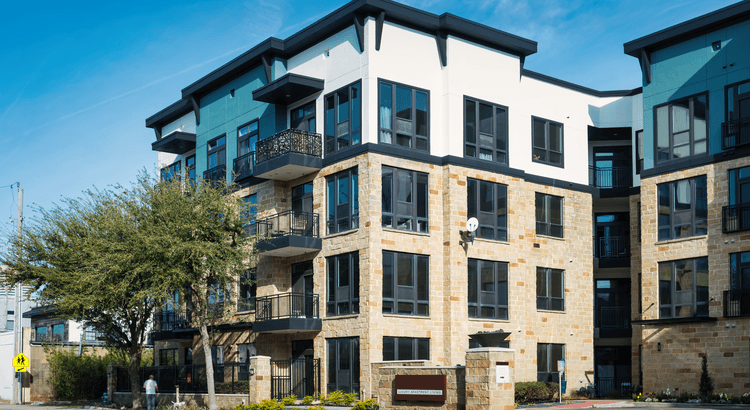
Thinking about buying a condo in Marlborough but not sure what the process really looks like? You want lower maintenance, good value in MetroWest, and a smooth closing without surprises. In this guide, you’ll learn exactly what to expect from first tour to keys in hand, including fees, documents, financing, and key Massachusetts rules. Let’s dive in.
Why Marlborough condos appeal
Marlborough sits in the MetroWest corridor with commuter access to Boston and Worcester. As of winter 2026, median home prices hovered in the mid-500s, which can make condos a practical path into homeownership compared to many inner Boston neighborhoods. You’ll find a mix of converted homes, low-rise buildings, and townhome-style condos. The tradeoff is simple: less exterior work for you in exchange for shared rules and monthly condo fees that cover common expenses.
How Massachusetts condo ownership works
Massachusetts law sets the structure for condominiums under the Massachusetts Condominium Act. You own your unit plus an undivided interest in the common areas, and the association runs the shared elements based on the master deed, bylaws, and rules. Understanding where your ownership stops and the common areas begin helps you plan for costs and avoid conflicts. Learn more in the state statute on Massachusetts Condominium Act basics.
Association powers, assessments, and liens
The association collects monthly fees for common expenses like landscaping, snow removal, and insurance. Under state law, the association has a lien for unpaid assessments that can complicate title if not cleared at closing. Section 6 of the statute also creates a limited priority for certain unpaid fees, which is a key difference from single-family homes. You can read the specific language in Chapter 183A, Section 6.
Practical tradeoffs vs. single-family
Rules around building systems, parking, pets, and leasing live in your condo documents and are enforced by the board. The association budgets for exterior and structural items, and you pay routine fees plus any special assessments if reserves fall short. These costs can change over time, so you want to review budgets, reserves, and rules up front. The state’s consumer guidance lays out these basics clearly in Massachusetts condo buying guidance.
What condo fees usually cover
Typical fees fund day-to-day operations and long-term maintenance so you do not have to manage exterior work yourself. Expect line items for:
- Property management and vendor contracts
- Landscaping, snow removal, and common-area cleaning
- Common utilities and building systems service
- Master insurance and association liability coverage
- Reserve contributions for big-ticket items like roofs and paving
Reserves and special assessments
Healthy reserves reduce the chance of sudden one-time charges. If reserves are thin or a major project comes up without a funding plan, the association may levy a special assessment. Review reserve studies, current balances, and recent meeting minutes to judge risk and budget realistically.
Insurance 101: master policy and your HO-6
Condo buildings carry a master policy with varying coverage types. You’ll hear terms like bare-walls-in, single-entity or walls-in, and all-in, which describe how much of the interior the master policy covers. You will almost always need your own HO-6 policy for personal property, interior finishes not covered by the master policy, and personal liability. Before you finalize your offer, confirm master policy details and deductible, then price your HO-6 accordingly using a resource like this overview of condo insurance coverage types.
The documents you should review early
Ask the seller or property manager for a complete resale packet as soon as your offer is accepted. Flag the following:
- Resale/estoppel/6(d) certificate showing the unit’s account status
- Master deed and amendments defining boundaries and common areas
- Bylaws and rules covering board powers, pets, leasing, and approvals
- Current budget, financials, and delinquency report
- Reserve study and current reserve balance
- Board and annual meeting minutes from the last 12 to 24 months
- Master insurance declarations, including coverage scope and deductibles
- Management agreement and major vendor contracts
- Any special assessments, association loans, or pending litigation
- Parking, storage, and any deeded inclusions
Massachusetts buyers often receive these as a resale packet. This is your window to confirm costs, rules, and risks. The state’s consumer page on condominium governance and budgets is a helpful reference while you review.
The Massachusetts 6(d) certificate
By law, the association must issue a 6(d) statement within 10 business days of a written request and a reasonable fee. This certificate verifies unpaid common expenses and, when properly recorded, addresses the association’s lien position for closing. Order it early so your lender and closing attorney receive a recent copy near the closing date. Read the statute on Section 6(d) timing and effect, and see a typical manager’s process for ordering a 6D certificate to understand fees and turnaround.
Financing your Marlborough condo
Condo loans look at more than your credit and income. Lenders also underwrite the project itself, which means they review the budget, reserves, insurance, owner-occupancy, special assessments, litigation, and building condition. Ask your lender to check the project’s status early using the Fannie Mae Condo Project Status tool.
Conventional loan highlights
Fannie Mae and Freddie Mac tightened condo standards to focus on building safety and financial health. A common benchmark used by underwriters is a budget that allocates at least 10 percent to reserves, along with clean documentation around repairs and assessments. If a project does not meet agency criteria, it may be considered non-warrantable and limit conventional financing options.
FHA and VA options
If you plan to use an FHA loan, you can buy in an FHA-approved project or pursue single-unit approval through your lender. This adds documentation and time, so confirm status early. See HUD’s overview of the FHA condo approval rule. VA buyers should have their lender confirm whether the project is on VA’s accepted list or if review is needed. Here is the VA resource page for home loan circulars and guidance.
If a building is non-warrantable
You may still have paths forward with portfolio loans from local banks or credit unions, non-QM lenders, or cash. Expect stricter terms, higher rates, or larger down payments. Keep in mind that future buyers will face the same financing reality, which can affect resale.
Start to close: a practical timeline
Use these typical windows to plan your move. Timelines vary based on lender pace, manager responsiveness, and whether FHA or VA approvals are involved.
- Before tours: Get pre-approved with a lender who will check condo project eligibility up front.
- Offer accepted and P&S signed: Ask the seller to request the resale packet and 6(d) right away. Start your inspection and condo-doc review period.
- Days 1 to 10: Schedule a general condo inspection and any needed specialty inspections. Older buildings or visible envelope issues may warrant a closer look.
- Days 3 to 14: Review the resale packet. Prioritize budget, reserves, meeting minutes, any planned projects or assessments, insurance, and litigation.
- Weeks 2 to 4: Lender orders appraisal and completes underwriting. If the project needs FHA single-unit approval or has special assessments, build in extra time.
- 10 business days from request: The 6(d) is due from the association by statute. Many closing attorneys want a fresh certificate dated within 30 days of closing, so plan for a reissue if delays occur. See the law on 6(d) timing.
- 30 to 60 days total: Many Massachusetts purchases close in this window, with 30 to 45 days common in MetroWest when issues are minimal. For context, here is a plain-English look at how long closings often take.
Red flags to watch closely
- Low reserves or missing reserve studies compared to expected capital needs
- Large or frequent special assessments without a funding plan
- High delinquency rates in owner assessments
- Ongoing litigation that involves building structure or insurance coverage
- Very large master policy deductibles or narrow building coverage that pushes costs to owners
- High investor concentration or one owner controlling many units
If you see any of these, pause and gather more detail. Ask for written board plans, engineering reports, and clear budgets before you commit.
Quick buyer checklist
- Request the full resale packet and 6(d) right after your offer is accepted
- Have your lender check project eligibility using Fannie Mae’s status tool
- Book an inspector who has condo experience, especially for older buildings
- Review the master insurance and get HO-6 quotes based on the coverage type you see
- Confirm whether FHA or VA approval is needed and timing for that process
- Ask for meeting minutes, reserve studies, and assessment histories to size up risk
Final thoughts
Buying a condo in Marlborough should feel clear and doable when you know the steps. Focus on the building’s financial health, insurance coverage, and rules as much as the unit itself. Line up your financing early, order the 6(d) in time, and use your inspection and document window to surface any surprises before you close.
If you want a hands-on partner who can read budgets, spot red flags, and help you plan updates that add value, reach out to Annie Oakman. Let’s make your next move simple and smart.
FAQs
What does a condo fee usually include in Marlborough?
- Fees commonly cover management, landscaping, snow removal, common utilities, master insurance, and reserve contributions for big repairs, as outlined in the state’s condominium guidance.
What is a Massachusetts 6(d) certificate and why does it matter?
- It is an association statement of a unit’s unpaid common expenses; the law requires issuance within 10 business days of a written request, and lenders and attorneys rely on it to clear association liens before closing under Section 6(d).
How do lenders evaluate condo buildings for loans?
- In addition to your credit and income, lenders review the project’s financials, reserves, insurance, owner-occupancy, assessments, and any major repairs using tools like Fannie Mae’s Condo Project Status.
Can I use an FHA loan to buy a condo in Marlborough?
- Yes, if the project is FHA-approved or your lender secures single-unit approval; this adds steps and time, so confirm early using HUD’s FHA condo approval overview.
How long does it take to close on a condo in Massachusetts?
- Many purchases close in 30 to 60 days, with 30 to 45 days common when documentation and approvals move smoothly; see this general guide on closing timelines.
Do I still need insurance if the building has a master policy?
- Yes. The master policy covers the building and common areas based on policy type, but you typically need an HO-6 policy for your interior finishes, belongings, and liability; here is a primer on condo insurance types.