Thinking about selling your Auburn home but not sure which upgrades are worth it? You are not alone. In today’s more selective market, buyers want clean, move-in-ready homes, yet big renovations do not always pay back before closing. In this guide, you will learn which pre-list improvements tend to deliver the strongest return in Auburn, what to skip, realistic cost ranges, and the Massachusetts rules that can affect your timeline. Let’s dive in.
What Auburn buyers value now
Many Auburn and Worcester County buyers focus on condition, curb appeal, and basic energy efficiency. They respond to homes that feel bright, clean, and updated where it counts, especially kitchens, baths, and flooring. With price sensitivity higher than a few years ago, small, visible upgrades often do more for your bottom line than large, complex renovations.
Start with low-cost wins
Fresh interior paint
A fresh coat of neutral paint changes the feel of a home fast. It improves perceived condition and light, and it photographs well for online listings. Typical costs range from about $1,500 to $6,000 depending on size and labor. You can often complete painting in 3 to 7 days, and you do not need permits.
Declutter, deep clean, and staging
Decluttering and a professional deep clean help buyers see the space, not your stuff. Staging or virtual staging can shorten days on market and improve offer quality. Staging often ranges from $1,000 to $4,000, and there is no permitting needed. Keep surfaces clear and remove oversized furniture to make rooms feel larger.
Flooring refresh
Floors are among the first things buyers notice. If you have hardwoods, refinishing can be a smart upgrade. Expect a range of about $2,000 to $6,000 or more depending on scope. Replacing worn carpet is often less expensive and can deliver a clean, move-in-ready feel without permits.
Boost curb appeal
Garage door upgrade or refresh
A new or refreshed garage door is one of the highest-ROI exterior updates in many studies. It makes a strong first impression in photos and at the curb. Costs often range from $1,500 to $5,000. You usually do not need a permit unless you are changing structural elements or adding electrical components.
Landscaping and entry updates
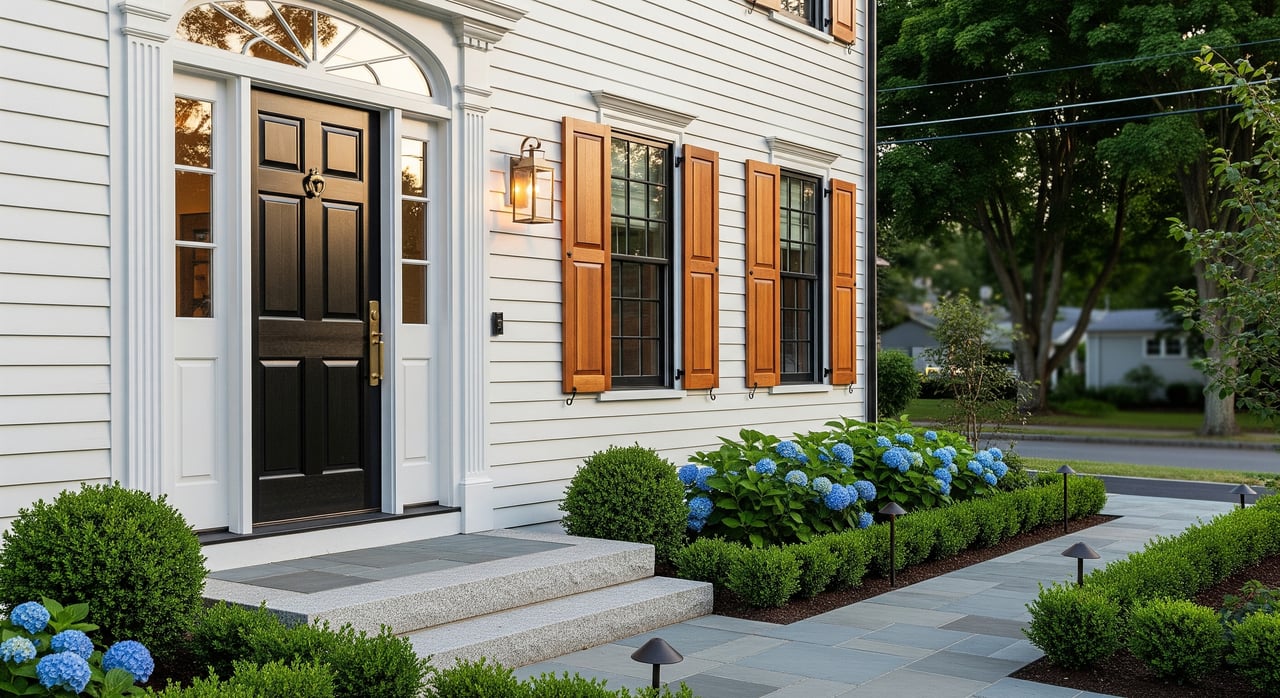
Simple landscaping cleanup and a painted or new front door set the tone before a buyer even steps inside. A front-yard refresh can run about $500 to $3,000. An insulated entry door often ranges from $800 to $2,500. These small changes make your photos pop and signal a well-cared-for home.
Exterior cleaning and touch-ups
Power washing siding, steps, and walkways gives instant impact for a relatively low cost, often $150 to $500. Touching up trim or siding where needed helps your home look maintained. Basic cleaning does not require permits; full siding replacement usually does.
Update kitchens and baths wisely
Minor kitchen remodels
Full kitchen gut jobs can be costly and may not fully pay back at sale. Instead, focus on high-impact, targeted updates. Consider new countertops, cabinet refacing or paint, modern hardware, a quality faucet, and brighter lighting. Minor kitchen work often runs from $5,000 to $25,000 depending on scope. Swapping appliances is usually simple, but electrical or plumbing work may require permits.
Bathroom refreshes
Buyers look closely at bathrooms. You can make a big difference by replacing a vanity, fixtures, and lighting, and by regrouting tile. Many midrange bathroom updates fall in the $3,000 to $15,000+ range. Plan permits for any plumbing or electrical changes.
Fix must-do items first
Roof, HVAC, and safety items
If a roof is nearing the end of its life or major mechanical systems are failing, buyers and lenders will notice. A roof replacement can range from about $6,000 to $20,000 or more depending on size and materials. Electrical safety fixes and HVAC repairs are important for buyer confidence and financing. Licensed contractors and permits are typically required.
Title V septic and sewer
In Massachusetts, septic systems are subject to Title V rules. A Title V inspection may be required in many sales, and a failed inspection can delay or block closing. If your property has a septic system, confirm the inspection requirements early and plan time for any repairs. Addressing this upfront can prevent last-minute price reductions or buyer walkaways.
Energy efficiency that resonates
Insulation, air sealing, and lighting
Lower utility costs appeal to buyers across Central Massachusetts. Insulation top-ups, air sealing, and LED lighting are practical, modest-cost improvements that can help comfort and efficiency. Massachusetts programs like Mass Save may offer assessments and incentives. Verify current programs before you budget for rebates.
Selective window replacement
Full window replacement is expensive, and the payback can be long. In many cases, replacing only the worst windows makes sense. Typical installed costs can range from about $300 to $1,000 or more per window. Check local code and permit requirements.
Think twice about big renovations
Large additions, full kitchen gut remodels, structural changes, and full basement finishing can add appeal, but they often do not deliver strong returns right before a sale. There is also the risk of over-improving beyond your neighborhood’s typical values. In many Auburn cases, it is better to complete targeted cosmetic updates, price strategically, and move to market sooner.
Permits and rules in Massachusetts
- Many structural, electrical, plumbing, roofing, and major exterior projects require permits and inspections. Confirm requirements with the Town of Auburn Building and Inspection Department before starting work.
- Lead paint disclosure is required for homes built before 1978 under federal law. Massachusetts can have additional forms, so plan to complete the proper disclosures.
- If you are in a subdivision with HOA covenants, review exterior guidelines before committing to visible changes like fencing or materials.
- Build extra time into your schedule. Permits, contractor lead times, and inspections can add weeks.
Budget and contractor tips
- Get a pre-list inspection to identify must-do repairs and safety items. This helps you budget and avoid surprises during buyer inspections.
- Ask a local agent for comps and buyer expectations in your Auburn neighborhood. This helps you avoid over-improving.
- Prioritize low-cost, high-visibility wins first: paint, staging, flooring touch-ups, curb appeal, and doors.
- For work over $2,000, seek at least three bids. Request line-item pricing, proof of licensing and insurance, and a firm schedule. Clarify who pulls permits.
- Consider your financing plan. Some sellers pay cash, others use a HELOC or short-term loan, and some choose to sell as-is and price accordingly. Weigh payback and timing.
A simple 30-day prep roadmap
- Week 1: Pre-list inspection, declutter, and schedule contractors. Confirm permit needs and any Title V steps if applicable.
- Week 2: Complete interior painting, book staging or virtual staging, and plan flooring refreshes.
- Week 3: Tackle curb appeal upgrades, power wash, update lighting and hardware, and begin minor kitchen or bath touch-ups.
- Week 4: Finish punch-list items, clean thoroughly, complete staging, and schedule professional photography immediately after final touches.
Bottom line for Auburn sellers
In Auburn’s selective market, small, visible improvements paired with clean inspections can shorten time on market and protect your asking price. Focus on paint, staging, flooring, curb appeal, and targeted kitchen or bath updates, and handle must-do items like roof, systems, and Title V early. If you want a tailored plan, local contractor referrals, and pricing guidance, reach out to Annie Oakman for a quick walk-through and a custom pre-list strategy.
FAQs
Auburn home sale ROI: What single upgrade pays most?
- Fresh neutral paint, a refreshed or new garage door, and clean landscaping often deliver the strongest, most reliable returns compared to cost.
Kitchen remodel before selling in Auburn: Full or minor?
- A targeted refresh with countertops, cabinet paint or refacing, hardware, and lighting usually beats a full gut remodel on ROI and speed.
Pre-list inspection in Massachusetts: Do I fix everything?
- Address lender or safety issues first, including roof, electrical, HVAC, and any required Title V septic items. Consider credits for minor cosmetics.
Energy efficiency upgrades: Which are worth it to list?
- Insulation, air sealing, and LED lighting are practical wins. Consider selective window replacements where needed and verify available incentives.
Timeline to prepare an Auburn home: How long?
- Cosmetic updates and staging can take days to a few weeks. System replacements and permitted work can add weeks to months, so plan extra time.